Let's be honest. "Time management for students" advice usually means color-coded planners and waking up at 5 AM. It feels generic. When you're in the trenches of a thesis, dissertation, or any major research project, it's a different beast. Your deadlines are self-imposed and monstrously far away until they're suddenly tomorrow. Your work is complex, solitary, and easy to procrastinate on. I've supervised dozens of students and watched the same time traps snag even the brightest minds.
The good news? Managing research time isn't about working more hours. It's about working with intention on the right things. This guide ditches the fluff. We'll build a system that actually works for the messy reality of academic research.
What's Inside This Guide?
Why is Time Management Different for Student Research?
You can't manage a 6-month research project the same way you manage a week of finals. The scale and nature of the work create unique challenges.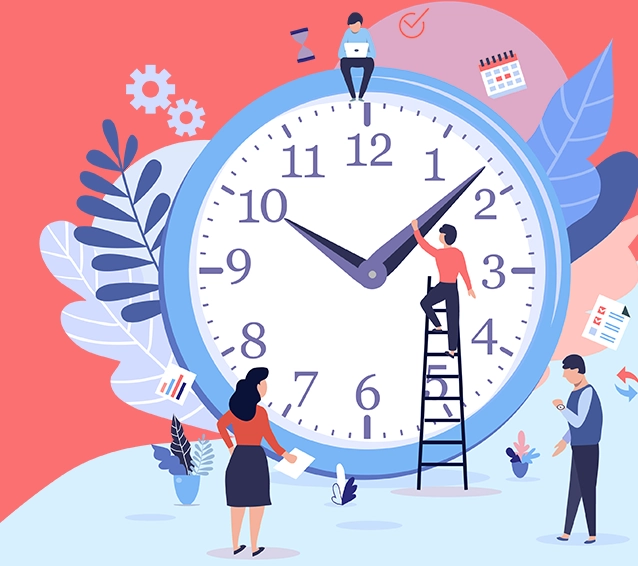
First, the work is ambiguous. "Analyze data" could mean three hours or three weeks. Unlike a problem set with a clear answer, research is exploratory. You hit dead ends. Protocols fail. This murkiness is a major source of anxiety and poor time estimation.
Second, it's largely self-directed. Your advisor isn't a manager giving you daily tasks. This freedom is a double-edged sword. Without external structure, it's easy to drift, prioritizing low-impact tasks (like perfecting your citation style on day one) over high-impact ones (designing a solid experiment).
Finally, research is intellectually draining. You can't effectively code qualitative data or write a theoretical framework for 8 hours straight. Deep work requires intense focus, and your brain has a limited capacity for it each day. Trying to power through leads to burnout and low-quality output.
The Myth of Multitasking: This is the killer. You think you're saving time by checking emails while reading a paper. Neuroscience says you're not. Context switching can cost you up to 40% of your productive time. For research, which requires deep concentration, this tax is catastrophic. Single-tasking isn't a luxury; it's a necessity.
The Core System: Planning, Prioritizing, and Protecting Time
Here's a practical, three-part framework. You don't need to do all of this perfectly, but adopting even one piece will help.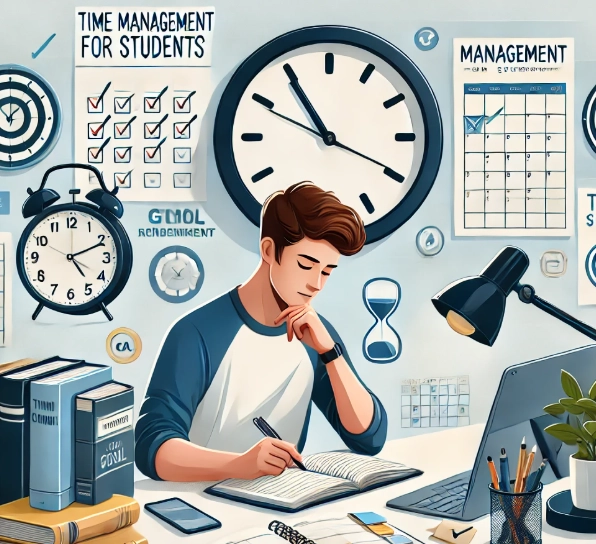
1. How to Create a Realistic Research Timeline
Don't start with the final deadline and work backward. That's how you end up with 2 weeks to write 3 chapters. Start forward from today.
Break the mammoth into moles. Your thesis isn't one task. It's a series of phases: Proposal, Lit Review, Methodology, Data Collection, Analysis, Writing Chapters, Revisions, Formatting. Break each phase down further. "Data Collection" becomes "Recruit 5 participants per week," "Transcribe Interview 1," etc.
Now, estimate time for each molehill. Then, add a 50% buffer. Seriously. Everything takes longer. A study by the American Psychological Association highlights that planning fallacy—our tendency to underestimate task duration—is universal. Buffer for ethics approval delays, software crashes, or just needing a mental health day.
Use a Gantt chart tool (like TeamGantt or even a simple spreadsheet) to visualize this. Seeing the parallel tracks (e.g., you can be writing Chapter 2 while waiting for survey responses) is a game-changer.
2. The Weekly/Daily Prioritization Engine: Eisenhower Matrix for Researchers
Every Sunday night, look at your timeline. What are the 2-3 most critical items for the coming week? These are your Deep Work Blocks.
Each evening, plan the next day. Use a modified Eisenhower Matrix:
| Quadrant | Research Examples | Action |
|---|---|---|
| Urgent & Important | Revise chapter for advisor meeting tomorrow; Fix critical error in data analysis. | DO IT NOW. Schedule time first thing. |
| Not Urgent & Important | Writing core argument; Reading key theory papers; Long-term data analysis. | SCHEDULE IT. This is your high-value research. Protect time for these. |
| Urgent & Not Important | Emails about lab meetings; Formatting references; Administrative forms. | BATCH OR DELEGATE. Group these into a low-energy time slot. |
| Not Urgent & Not Important | Scrolling academic Twitter; Reorganizing your EndNote library for the 3rd time. | ELIMINATE. Be ruthless. This is procrastination in disguise. |
The goal is to maximize time in Quadrant 2. That's where real research progress lives.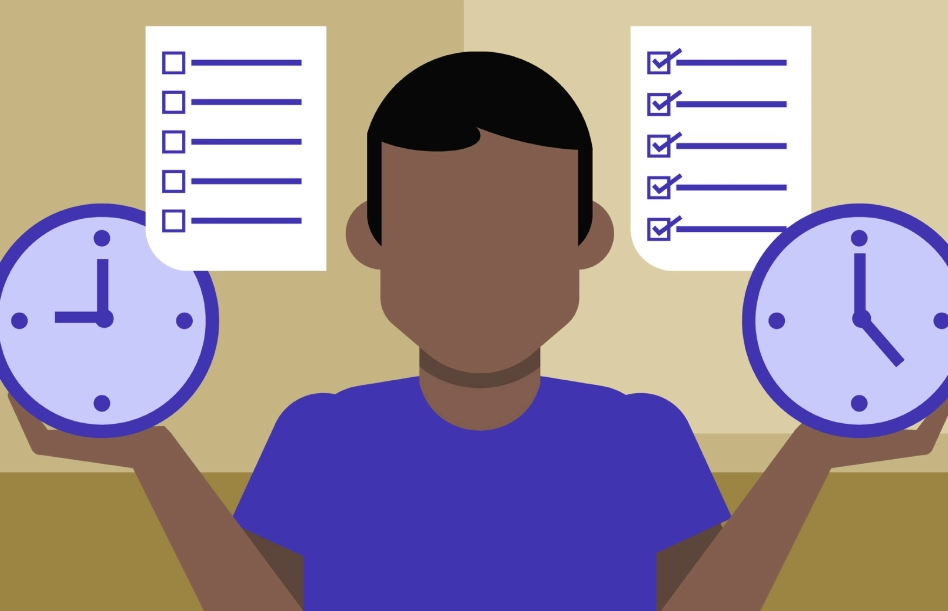
3. Time Blocking: Your Calendar is Your Best Friend
"I'll work on my thesis today" is a recipe for doing nothing. You need an appointment with your work.
Open your calendar. Block out your classes, meals, sleep. Now, block 2-3 hour chunks for your Quadrant 2 Deep Work. Label them specifically: "9-11:30 AM - Draft Methodology Section," not just "research." Treat these blocks as immutable meetings. When a friend asks to hang out, you say, "I have a meeting then," because you do.
Protect your energy cycles. Are you sharp in the morning? That's for writing or complex analysis. Save afternoons for administrative tasks, emails, or reading. I forced myself to write in the evenings for years because I thought I should. My output was terrible. Switching to morning blocks changed everything.
Pro Tip from the Lab: Schedule your "defense prep" or "final edits" to end 2-3 weeks before the actual deadline. This buffer is your panic room. It saves you when your advisor's feedback takes a week longer than promised, or you get sick. This one habit reduces more stress than any other.
Tools & Tech That Actually Help (Not Distract)
Apps should solve problems, not create more. Here’s a minimalist toolkit.
- For Planning & Timeline: Notion or ClickUp. They combine databases, kanban boards, and docs. You can have a master project dashboard with linked pages for each chapter, a literature review database, and your timeline. Avoid using 10 different apps.
- For Focus: A physical timer for the Pomodoro Technique (25 mins on, 5 off). The tactile act of winding it signals focus time. For digital, Forest app grows a tree during your focus session—kill it if you use your phone.
- For Reference Management: Zotero or Mendeley. Automatically grab citations, create bibliographies. Saves hundreds of hours. Don't manage references manually. Ever.
- For Distraction-Free Writing: Write or Die, Cold Turkey Writer, or just Word/Google Docs in full-screen mode. Turn off notifications. Internet blockers like Freedom or Cold Turkey are invaluable during writing blocks.
The tool doesn't matter. Consistency does. Pick one and stick with it for a month before judging.
Mindset Shifts to Beat Procrastination
Procrastination on research isn't laziness. It's often fear: fear of failure, of the blank page, of not being "good enough." Here's how to hack that.
Embrace "Good Enough for Now." Perfectionism is the enemy of progress. Your first draft is supposed to be bad. Your analysis will have flaws. The goal is to produce a complete draft, not a perfect one. Revision is where the magic happens. You can't revise a blank page.
Start with the Easiest Part. Stuck on the introduction? Skip it. Start with the method section—it's descriptive. Start by just pasting in your interview questions. Build momentum with small wins.
Create Artificial Deadlines. Tell your advisor you'll send a draft of Chapter 3 by Friday. Book a meeting with a peer to exchange work. External accountability works.
I had a student who was paralyzed for weeks trying to write the "perfect" opening line for her thesis. I told her to write the worst, cheesiest opening line she could imagine. She wrote "Since the dawn of time, humans have wondered..." She laughed, deleted it, and then wrote a decent one. The block was gone.
Your Burning Questions Answered
How do I stop procrastinating on literature review?
Break it into micro-tasks. Instead of "write literature review," schedule "find 5 relevant papers on Topic X for 45 minutes." Use a timer. The Pomodoro Technique (25 minutes focused, 5-minute break) works wonders here. Also, try the "5-minute rule": just commit to working on it for five minutes. Often, starting is the hardest part, and momentum carries you forward.
Is it better to schedule long blocks or short sessions for research writing?
For deep analytical work or writing, longer blocks (90-120 minutes) are superior. Research from Cal Newport's 'Deep Work' shows it takes time to reach a state of flow. Guard these blocks fiercely. For administrative tasks (emailing supervisors, formatting references), short 30-minute sessions are fine. Most students fail by trying to write in between classes; they never get deep enough to produce quality work.
What's the biggest mistake students make with research timelines?
They plan backward from the final deadline. This creates an impossible crunch. Plan forward from today. Add a 50% buffer to every task estimate (data collection always takes longer). The real secret is to schedule your "defense preparation" or "final edits" to end 2-3 weeks BEFORE the actual deadline. This buffer is your lifeline for unexpected problems or last-minute feedback from your advisor.
How can I manage my time when my research advisor is unresponsive?
Proactive communication is key. Send structured update emails every 1-2 weeks with clear, specific questions (A, B, or C?). Propose specific meeting times. In the meantime, work on parallel tasks that don't require their input: refine your methodology section, clean existing data, or build your bibliography. Document your outreach attempts. This shows initiative and protects you if delays occur. Sometimes, politely copying a department administrator can gently expedite a response.
Time management for student research isn't about finding more hours. It's about reclaiming the hours you have from ambiguity, distraction, and fear. Start small. This week, just time-block one 90-minute deep work session. Protect it like your thesis depends on it—because it does. You've got this.
Leave a Comment