Let's be honest. The moment you see the rent prices near your university, your stomach drops. That part-time job salary suddenly looks like pocket change. I remember my own hunt for cheap student housing ten years ago—scouring sketchy online listings, dealing with landlords who thought "student" meant "easy to exploit," and learning some hard, expensive lessons. The housing crisis has only gotten worse since then, but the strategies for beating it are still the same. This isn't about finding a palace. It's about finding a safe, decent roof over your head that doesn't force you to live on instant noodles.
Your Quick Navigation Guide
How to Find Cheap Student Housing: A Step-by-Step Guide
Forget just browsing Zillow. A strategic search is what saves you money.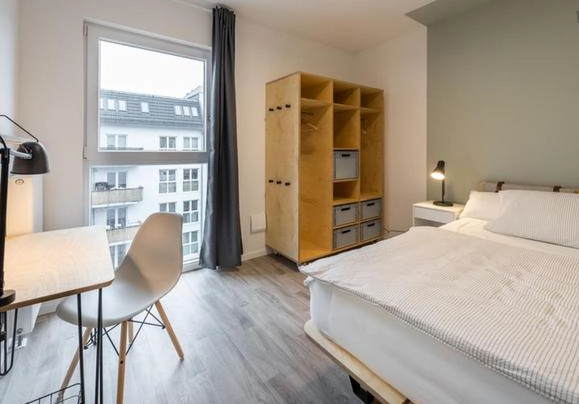
1. Start Yesterday (Seriously, Timing is Everything)
The best cheap student housing gets snapped up early. If you're looking for a Fall move-in, start in March or April. Spring semester? Start in October. This gives you leverage to negotiate and avoids the desperate August scramble where prices inflate.
2. Define Your Real Budget
Take your total monthly income (loans, job, family support) and subtract all other expenses: food, phone, transport, books. What's left is your true housing budget, including utilities. A common rule is rent shouldn't exceed 30% of your income, but for students, that's often a dream. Be realistic.
Pro Tip: Call the local electric and internet companies. Ask for the average monthly bill for a 2-bedroom apartment in the zip code you're targeting. This prevents a nasty surprise when your $600 rent becomes a $750 living cost.
3. Cast a Wide, Weird Net
Everyone checks the same three apps. You need to dig deeper.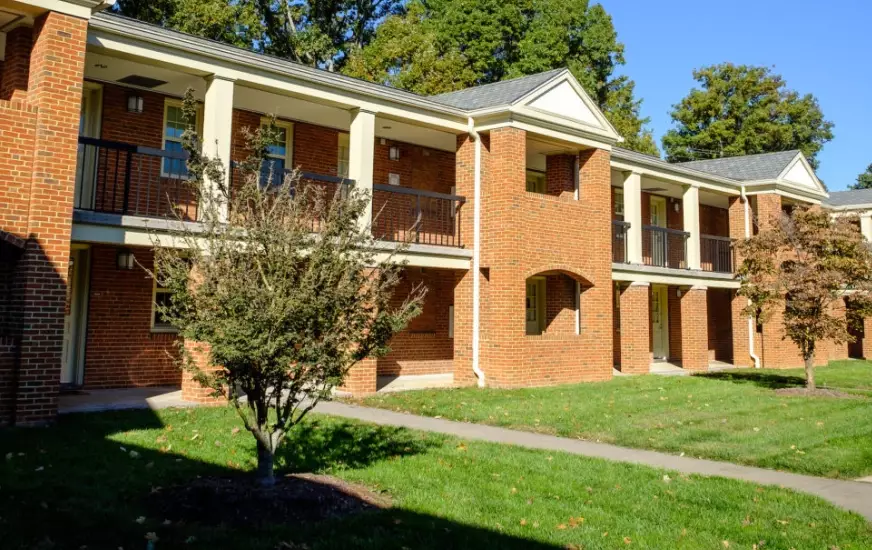
- University Bulletin Boards: Physical ones in the student union and online portals hosted by your school's Off-Campus Housing office. These are goldmines for sublets and roommate searches.
- Facebook Groups: Search "[Your University] Housing/Roommates." Also try neighborhood-specific groups (e.g., "Old Town Community Board"). Older landlords post here.
- Drive/Walk Around: In neighborhoods 10-15 minutes from campus, look for "For Rent" signs on older duplexes or small apartment buildings. These landlords often avoid online fees and may offer lower rents.
- Word of Mouth: Tell professors, advisors, and classmates you're looking. You'd be surprised.
4. The Art of the Viewing and Application
Bring a checklist: water pressure, cell phone reception, outlets, noise, locks, signs of pests. Take photos and videos. When applying, have a "Rental Resume" ready—a one-pager with your info, a reference from a past landlord or employer, and proof of income/student status. It makes you stand out from ten other applicants.
Your Housing Options Compared: The Real Cost Breakdown
"Cheap" means different things. Here’s the unvarnished truth about each option.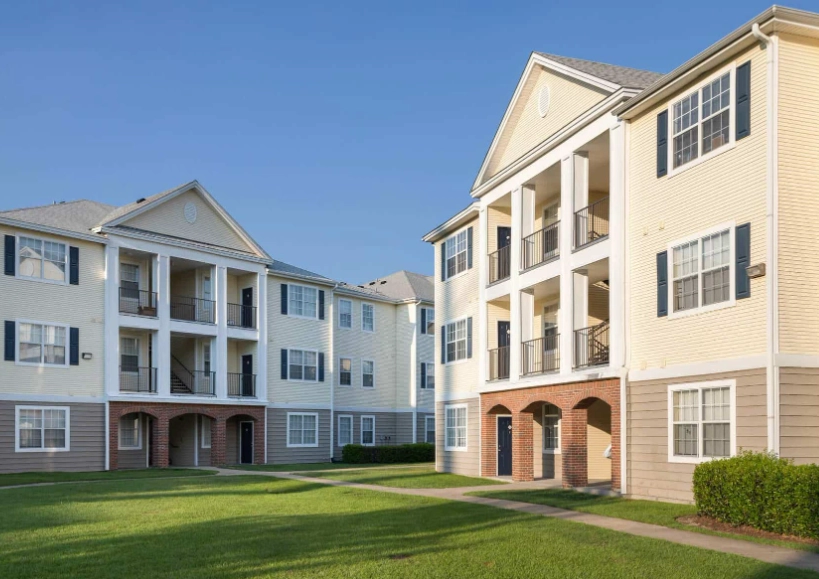
| Option | Average Cost (Relative) | Biggest Pros | Hidden Cons & Costs |
|---|---|---|---|
| University Dorms | Often the MOST expensive per square foot. | All-inclusive (utilities, wifi, furniture), social, on-campus. | Meal plan often mandatory (adds $2k-$4k/semester), shared bathrooms, strict rules, no privacy. |
| Off-Campus Apartment (with Roommates) | Usually the cheapest overall per person. | More space, privacy, freedom, learn real-life skills. | Utilities, furniture, security deposit (1-2 months rent), potential for bad roommate dynamics, commute cost. |
| Private Student Housing Complex | High, but bundled. | Furnished, amenities (gym, pool), all-inclusive rent, other students. | Premium price, thin walls, can feel like a dorm for adults, aggressive marketing. |
| Homestay / Renting a Room | Can be very affordable. | Often includes utilities and sometimes meals, quieter. | Less independence, house rules, potential personality clash with host. |
| Subletting | Short-term, often discounted. | Flexible, cheaper if someone needs to cover their lease fast. | Unstable, you're liable to the original tenant, not the landlord (get everything in writing!). |
See that? The classic dorm is rarely the budget winner. Sharing an older, unfurnished apartment a mile off-campus almost always wins on pure cost.
Beyond Rent: Insider Money-Saving Strategies
This is where you save hundreds. Little things add up.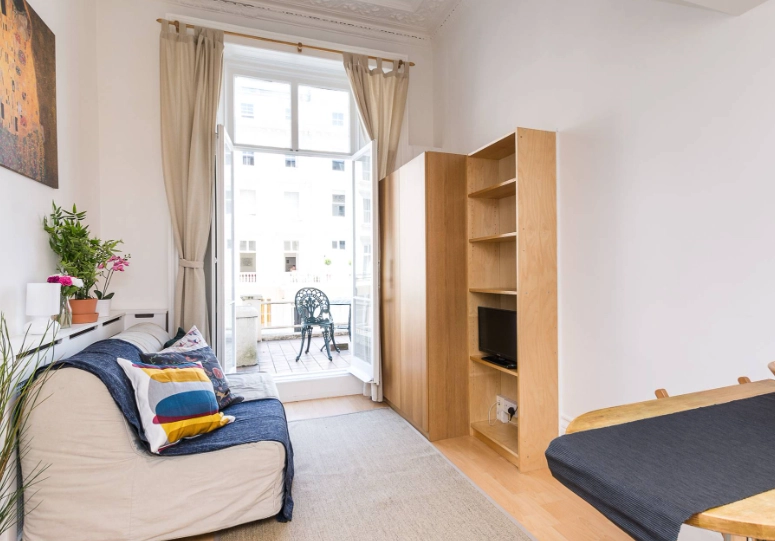
Negotiate. Yes, you can. If a place has been listed for a month, offer $25-$50 less per month. Offer to sign a longer lease (18-24 months) for a lower rate. Offer to handle minor landscaping for a rent reduction.
Utilities Hack. Find out what heats the apartment. Electric baseboard heating is a wallet-killer in winter. Gas is usually cheaper. Ask about the average winter bill.
Furnish for Free (Almost). Your university's "Free & For Sale" page at semester's end is a treasure trove of discarded furniture. Also check Craigslist/Facebook Marketplace for "curb alerts" or free sections. Thrift stores near wealthy neighborhoods can have solid furniture.
One Big Warning: That incredibly cheap apartment might be cheap because it's poorly insulated. A $450/month apartment with $200 winter heating bills is worse than a $550/month efficient apartment. Always ask about utility history.
5 Costly Mistakes Students Make (And How to Avoid Them)
I've seen these burn people. Don't be next.
- Not Reading the Lease. Every word. What's the penalty for breaking the lease? Who handles pest control? What's the policy on guests? Are you responsible for appliance repairs? Take a picture of every room and note any existing damage on a move-in form to avoid losing your security deposit.
- Assuming Your Roommate is Financially Stable. Have one roommate be the "banker" who collects money and pays the landlord? Bad idea. If they skip town, you're liable. Use a service like Splitwise to track bills, but ensure each roommate pays the landlord/utility company directly whenever possible.
- Ignoring Transportation Cost. A cheap place with no bus line means you need a car. Add gas, insurance, parking permits ($100s at many schools), and maintenance. That "savings" evaporates.
- Paying Cash or Venmo Without a Receipt. Always get a receipt for your deposit and rent. Digital paper trails are your friend. Pay with a check or money order if you can, as it creates automatic proof.
- Forgetting Renter's Insurance. It's usually $10-$15 a month. If there's a fire, flood, or theft, your landlord's insurance covers the building, not your laptop, clothes, or textbooks. It's non-negotiable.
It sounds like a lot. It is. But doing this homework once saves you money and stress for your entire lease.
Your Burning Housing Questions Answered
How can I find cheap student housing in a competitive college town?
The key is geography and hustle. Expand your search to neighborhoods adjacent to the popular ones, even if it means a 15-minute bike or bus ride. Look for "For Rent" signs in local grocery stores or cafes. Contact property management companies directly and ask about waitlists for their more affordable units. Consider being the one to find a place and then recruit roommates, giving you first pick of the best cheap find.
What are the hidden costs I should budget for with cheap student housing?
Everyone forgets the startup costs. First month's rent, last month's rent, and security deposit can be 3x the monthly rent due at signing—that's $1,800 for a $600 room. Application fees ($30-$75 per person), admin fees, and mandatory utility setup deposits are common. Then there's the cost of a shower curtain, trash cans, kitchenware, and a bed. Budget at least $1,000 for move-in costs beyond your first rent payment.
How do I avoid rental scams when searching for housing online?
If the landlord can't meet in person or do a live video tour (where they show the specific unit, not a stock video), walk away. Be extremely wary of anyone who asks for payment via wire transfer, cryptocurrency, or gift cards. Reverse image search the listing photos—if they appear on other sites for different cities, it's a scam. Verify the owner's name on the county property appraiser website. Trust your gut; pressure to act immediately is a huge red flag.
Is it better to find roommates before or after looking for a place?
Before, almost always. Scrambling to find a stranger to fill a room puts you in a vulnerable position. When you have a group, you can look for places that fit your collective needs. More importantly, you can all sign the lease together, creating "joint and several liability." This sounds scary, but it means the landlord can hold any of you responsible if rent isn't paid, which motivates everyone to pay. If you sign a lease alone and sublet to roommates, you're solely on the hook if they flake.
The hunt for cheap student housing is a rite of passage. It's frustrating, time-consuming, and often unfair. But by being strategic, reading the fine print, and thinking beyond just the monthly rent number, you can find a place that works. You'll not only save money, but you'll gain a life skill far more valuable than anything in a textbook. Now go check those university bulletin boards.
Leave a Comment