Let's cut through the noise. Student loan forgiveness isn't a single, magical button you press. It's a collection of specific federal programs, each with its own rulebook. If you're wondering if you're eligible, the answer depends entirely on your job, your loan type, your repayment plan, and sometimes, the school you attended. I've seen too many people get tripped up by the fine print, assuming they qualify when they don't, or worse, giving up when they actually do.
This guide walks you through every major path. We'll start with the big ones everyone talks about, then dig into the lesser-known options that could be your ticket out of debt.
What You’ll Learn in This Guide
Public Service Loan Forgiveness (PSLF): The 10-Year Track
PSLF is the golden ticket for public servants, but the acceptance rate was infamously low for years. Why? People didn't follow the four strict requirements in lockstep. The program has gotten better with temporary waivers and fixes, but the core rules remain.
You must meet ALL of these conditions simultaneously:
- Employer: Work full-time for a U.S. federal, state, local, or tribal government OR a 501(c)(3) non-profit organization. This includes most public schools, public libraries, and many hospitals.
- Loans: Have Direct Loans. If you have older FFEL or Perkins loans, you must consolidate them into a Direct Consolidation Loan to make them eligible.
- Repayment Plan: Be on a qualifying income-driven repayment (IDR) plan or the 10-Year Standard Repayment Plan. The Standard plan for consolidated loans often does NOT qualify, so IDR is the safe bet.
- Payments: Make 120 separate, on-time, monthly payments (10 years' worth) while working for that qualifying employer.
The Contractor Trap: This is the #1 mistake I see. If you work at a qualifying hospital or government agency, but your actual employer is a for-profit contractor or staffing firm, those months do not count. Your W-2 must come from the qualifying entity itself.
How to Actually Make PSLF Work for You
Don't wait until year nine to check your progress. The process is administrative, not automatic.
First, use the PSLF Help Tool on the Federal Student Aid website to generate an Employment Certification Form (ECF). Have your employer sign it. Submit it every year and every time you change jobs. This gets your payment count officially tracked by your servicer (MOHELA handles all PSLF accounts).
If you have past employment that might qualify but you weren't on the right plan, look into whether the limited PSLF waiver (which expired in Oct 2022) might have helped you. Some benefits were made permanent through the IDR Account Adjustment.
Income-Driven Repayment (IDR) Forgiveness: The 20/25-Year Track
This is the backup plan for everyone. If you don't work in public service, you're not out of luck. Enroll in an IDR plan, pay a percentage of your discretionary income for 20 or 25 years, and any remaining balance is forgiven.
The plans are: REPAYE/SAVE, PAYE, IBR, and ICR. The new SAVE Plan is generally the most generous, with higher income protection and no interest accrual if your payment doesn't cover it.
| IDR Plan | Who Qualifies? | Payment Term to Forgiveness | Key Feature |
|---|---|---|---|
| SAVE Plan | Any borrower with Direct Loans | 20 years (undergrad only) 25 years (any grad loans) |
Most generous income calculation; stops unpaid interest |
| PAYE Plan | New borrowers (after Oct 2007) | 20 years | Payment never exceeds 10-year Standard amount |
| IBR Plan | Must have partial financial hardship | 20 years (new borrower) 25 years (not new) |
Older, more common plan |
The biggest game-changer right now is the IDR Account Adjustment. The Department of Education is reviewing all old accounts and giving credit toward forgiveness for periods that previously didn't count, like certain forbearances and deferments. This is automatic for most borrowers.
I know someone who got a letter out of the blue last year saying their forgiveness date moved up by 4 years because of this adjustment. They had no idea.
Other Forgiveness & Discharge Options You Might Miss
Beyond PSLF and IDR, several niche programs can wipe away debt completely.
Borrower Defense to Repayment
If your school lied to you or broke state laws, you can apply to have your federal loans discharged. This isn't just for massive fraud cases like Corinthian Colleges. If your for-profit trade school promised a 98% job placement rate and you couldn't find work, or if they misrepresented their accreditation, you may have a case.
The application is free on the Federal Student Aid site. Gather any evidence—emails, brochures, recordings. It can take years for a decision, but a successful claim means full discharge and a refund of payments.
Total and Permanent Disability (TPD) Discharge
If you are totally and permanently disabled, you can get your federal loans discharged. Proof can come from the VA (if you're a veteran with a 100% disability rating), the Social Security Administration (if your disability review is 5-7 years), or a physician's certification. The process is more streamlined than many realize.
Teacher Loan Forgiveness: A smaller but helpful program. Full-time teachers in low-income schools for five consecutive years can get up to $17,500 forgiven on Direct or FFEL Subsidized/Unsubsidized loans. It's separate from PSLF, but you can pursue both sequentially.
There are also state-specific programs for nurses, doctors, lawyers, and other professionals who work in underserved areas. Check your state's higher education authority website.
Critical Mistakes That Can Disqualify You
This is where experience talks. I've seen smart people lose years of progress over avoidable errors.
Consolidating at the wrong time. Consolidating resets your payment count to zero for PSLF and IDR... unless you do it as part of the IDR Account Adjustment or to include ineligible loans. If you have 80 PSLF payments on a Direct Loan and then consolidate it with another loan, you start back at zero. Don't consolidate without a clear strategic reason.
Assuming all "non-profit" jobs qualify. Labor unions, partisan political organizations, and most 501(c)(4), (c)(6), or (c)(7) organizations do NOT qualify for PSLF, even though they are non-profits. Only 501(c)(3) is the magic number.
Letting your loans go into default. Months in default never count. Get on an IDR plan and use loan rehabilitation to get out of default first.
Not filing your taxes separately if you're married. For most IDR plans (except the new SAVE plan if you file jointly), filing taxes jointly means your spouse's income is included in your payment calculation, which can skyrocket your bill. For some, filing separately—even with a slightly higher tax bill—keeps student loan payments manageable and speeds up the path to forgiveness.
Your Action Plan: What to Do Right Now
Feeling overwhelmed? Break it down.
- Log into studentaid.gov. This is your source of truth. See your loan types, servicers, and history.
- Identify your likely path. Are you a public servant? PSLF. If not, IDR forgiveness is your main route. Were you defrauded? Look at Borrower Defense.
- Take the specific first step.
- For PSLF: Use the Help Tool, submit your first ECF.
- For IDR/SAVE: Apply for an income-driven plan on the Federal Student Aid site right now.
- For Borrower Defense: Start gathering evidence and file the application.
- Set a calendar reminder to re-certify your income for your IDR plan every year. Missing this can kick you off the plan.
The system is complex, but the relief is real. Your eligibility isn't a mystery—it's a checklist. Go through it.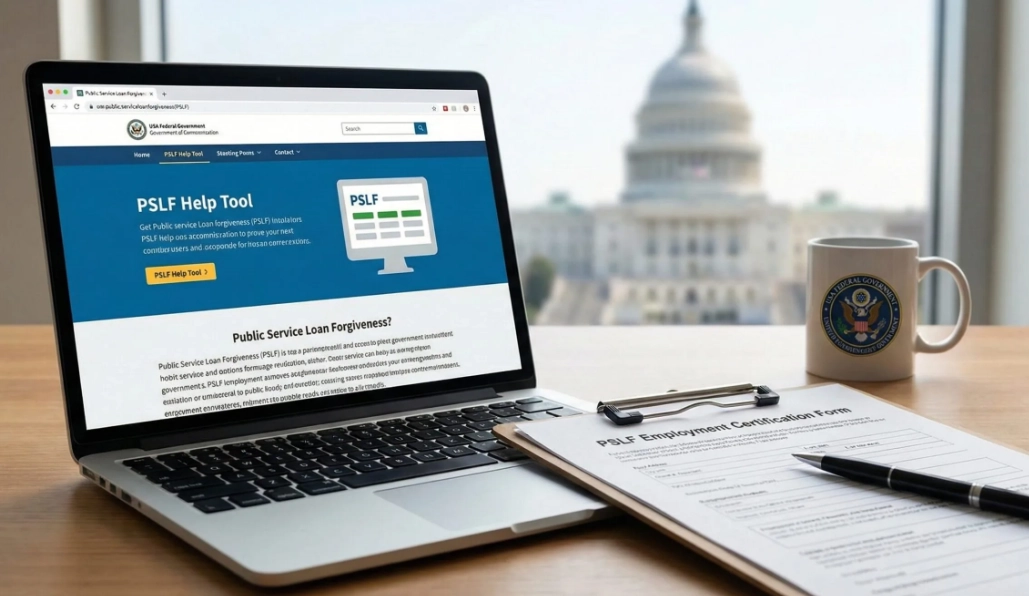
Your Top Questions, Answered
Can I get loan forgiveness if I work for a non-profit but my paycheck comes from a contractor?
This is a major pitfall. For PSLF, only your employer's status matters, not who cuts your check. If you are employed by a for-profit staffing agency or contractor, even if you are placed at a qualifying non-profit or government office, you likely do not qualify. Your employment certification form must be signed by an official from your direct employer, the qualifying organization. The key is being directly hired by the qualifying entity.
I've been on an IDR plan for 15 years with some periods of forbearance. Do those months count?
It's complicated and depends on the type of forbearance and the time period. The one-time IDR Account Adjustment is crucial here. It may count certain past periods of forbearance (12+ consecutive or 36+ cumulative months) and some deferment periods toward your forgiveness timeline. You don't need to apply separately for this adjustment if you have Direct Loans or federally managed FFEL loans. The Department of Education is applying it automatically, but you must be on an IDR plan when you reach the qualifying count. Check your loan servicer's website for your updated payment count.
My school closed years ago. Is it too late to apply for Borrower Defense to Repayment?
No, there is no statute of limitations for Borrower Defense. You can apply at any time if you believe your school misled you or violated state law. The process is entirely online through the Federal Student Aid website. Gather any old evidence you have—brochures, emails, transcripts, even notes about promises made by recruiters. The review process can take a long time (often years), but if approved, you could get a full discharge of your federal loans and a refund of payments made. Don't assume it's too late.
Do private student loans ever qualify for forgiveness?
Almost never through federal programs. The forgiveness plans we discuss (PSLF, IDR, Borrower Defense, TPD) are exclusively for federal student loans. Private loans are governed by the terms of your contract with the bank or lender. Some rare exceptions might exist through state-specific programs for certain professions, like teachers or doctors in underserved areas, but these are not widespread. Your primary options for private loans are typically refinancing for a lower rate or, in cases of extreme hardship, negotiating a settlement with the lender, which is not the same as forgiveness.
Leave a Comment