Let's cut to the chase. The idea of a "free" trip abroad sounds too good to be true, right? I thought the same thing before I spent a year teaching English in Asia through a government-funded program. My flight, housing, a monthly stipend, and even my visa fees were covered. I'm not special or uniquely qualified. I just knew where to look and how to apply. Free cultural exchange programs are real, but they're not a vacation. They're a structured trade: your skills, time, and cultural openness for an immersive experience that money can't buy. This guide isn't about vague inspiration; it's a practical roadmap to finding, applying for, and thriving in programs that won't drain your bank account.
Your Roadmap to Free Cultural Exchange
What Are Free Cultural Exchange Programs Really?
Forget the brochure images of people laughing on a beach. At their core, these programs are funded by governments, non-profits, or institutions with a specific goal: to build mutual understanding and share knowledge across borders. The "free" part means your major costs are subsidized. This usually includes international airfare, health insurance, accommodation (often a homestay or shared housing), and a living stipend for food and local transport. You are not paid a salary, but you shouldn't have to dip into your savings to survive.
The catch? You have responsibilities. You might be teaching, volunteering on a community project, interning at an NGO, or studying. The exchange is two-way. You're expected to contribute your skills and actively engage with the local community, not just observe it.
Key Takeaway: "Free" means fully-funded, not a free ride. It's an exchange of value—your commitment for a life-changing, cost-covered experience.
Top Free & Fully-Funded Programs to Target
Don't waste time sifting through sketchy websites. Focus your energy on these established, reputable programs. They are competitive, but that's because they're the real deal.
| Program Name | Primary Sponsor / Source | Who It's For | Typical Duration | What's Covered |
|---|---|---|---|---|
| Fulbright U.S. Student Program | U.S. Department of State | Recent graduates, master's/PhD candidates, young professionals | 9-12 months | Round-trip airfare, living stipend, health insurance, research/study allowance. |
| Erasmus+ Volunteering | European Commission | Young people (17-30) from EU and partner countries | 2-12 months | Travel costs (up to a limit), accommodation, food, pocket money, insurance, language training. |
| Japan Exchange and Teaching (JET) Programme | Japanese government | University graduates under 40 for Assistant Language Teacher (ALT) or Coordinator roles | 1 year (renewable) | Round-trip flight, a generous salary (not just a stipend), national health insurance. |
| UN Volunteers | United Nations | Professionals with relevant degrees and 2+ years of experience | 6-12 months+ | Living allowance, settlement grant, travel, insurance, and sometimes housing. |
| Cultural Vistas Fellowship | Non-profit Cultural Vistas | U.S. university students with little international experience | 8-12 weeks (summer) | Full funding for internship programs in Germany, Argentina, and elsewhere. |
Note: "Fully-funded" details vary. Always read the latest official guidelines. For example, JET is unique in providing an actual salary, making it one of the most financially rewarding options.
How to Find Hidden Gem Programs
Beyond the big names, smaller, niche programs exist. Finding them requires a shift in strategy. Instead of searching "free travel abroad," think like an organization with a problem to solve.
Start with government portals. The U.S. Department of State's Exchange Programs page is a goldmine. Countries like Germany (DAAD), France (Campus France), and South Korea (NIIED) run similar sites promoting their funded opportunities.
Next, look at professional and academic associations. Is there an International Federation of Library Associations? A global network of environmental engineers? These groups often sponsor exchanges for members. University study abroad offices aren't just for semester-long tuition programs; they have info on funded summer research and internships.
Finally, use aggregator sites wisely. GoOverseas and GoAbroad list opportunities, but you must vet them. Look for the sponsor. If it's a government entity or a major university, it's credible. If it's a company asking for a large "application fee," run.
The Unspoken Secrets of a Winning Application
Here’s where most people fail, and it’s not about grades. Having sat on selection panels, I can tell you the biggest mistake is writing an application about what you want to get. The panel wants to know what you'll give.
Flip the Narrative in Your Essay
Weak application: "I want to experience the beautiful culture of Italy to broaden my horizons." This is all about you. Strong application: "My background in sustainable urban planning aligns with Bologna's city-wide mobility project. I propose to volunteer with [Local NGO Name] to contribute data analysis skills, while learning how Italian models could be adapted for my community back in Austin." See the difference? One is a desire, the other is a proposal for exchange.
Letters of Recommendation That Actually Help
Don't just ask a professor who gave you an A. Ask someone who can speak to your resilience and intercultural adaptability. Did you handle a difficult group project with diplomacy? Did you successfully mentor an international student? Give your recommender bullet points on these specific stories. A generic letter that says "Jane is a good student" is worthless.
The Interview: They're Testing Your Realism
They will ask about challenges. Saying "I don't foresee any problems" is a red flag. Instead, show you've thought it through. "I expect language barriers and initial isolation. My plan is to take basic language classes beforehand and join a local climbing gym to meet people outside the program bubble." This shows maturity.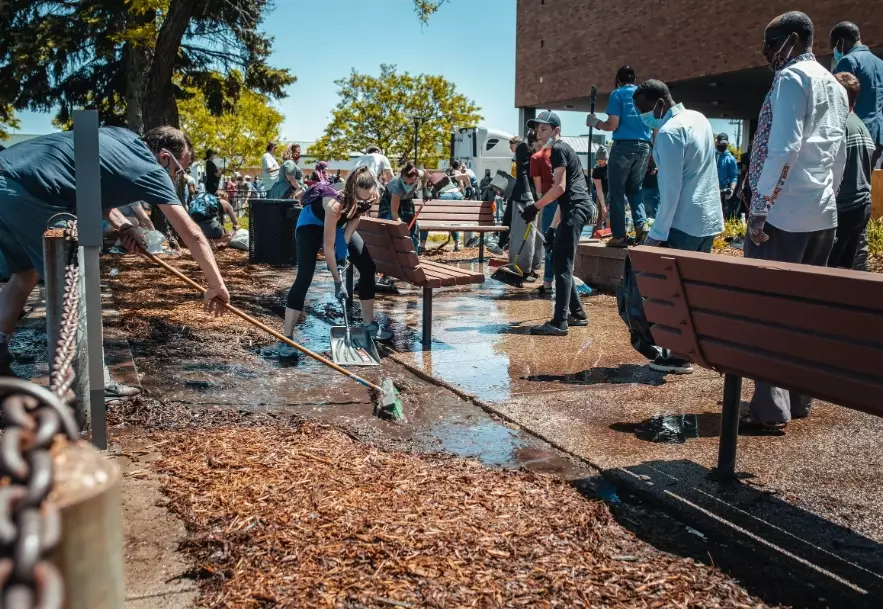
Expert Tip: Your application is a business proposal for a partnership. Clearly define the value you bring to the host community. This mindset shift alone will put you in the top 20% of applicants.
What Life is Really Like During an Exchange
The first month is often a rollercoaster. The "honeymoon phase" wears off quickly when you're figuring out how to buy a SIM card, facing bureaucratic hurdles, or missing familiar food. This is normal. The programs that provide strong on-the-ground support and language training make this transition smoother.
Your stipend will be enough to live like a local, not a tourist. You'll cook at home, use public transport, and maybe afford a coffee out. This is actually the best way to integrate. The connections you make with neighbors, coworkers, and local market vendors become the core of your experience, far more than any weekend trip.
You'll also have to manage expectations back home. Friends and family might see your social media and think it's a permanent holiday. You'll need to communicate that you have a job to do, which can be isolating. Finding a balance is key.
Reader Comments