Let's cut to the chase. A cultural exchange program in the USA is your ticket to more than just a trip. It's a structured, legal pathway to live, work, and learn in America, immersing yourself in its daily rhythms. Forget tourist traps. This is about earning a paycheck in Miami, interning at a tech startup in Austin, or teaching your language in a Ohio high school. The goal is mutual understanding, but the experience is uniquely yours. The most common gateway is the J-1 visa, a non-immigrant visa managed by the U.S. Department of State. But navigating the options, sponsors, and paperwork? That's where most people get lost. I've seen brilliant applicants choose the wrong program category, wasting months. This guide will help you avoid that.
Your Quick Navigation Map
What Are Cultural Exchange Programs?
Think of them as officially sanctioned cultural bridges. The U.S. government designates public and private entities as "sponsors" to run these programs. Their job is to screen you, place you (often with a job or host family), and support you during your stay. It's not a free-for-all work visa. Each program has strict rules on duration, work type, and objectives. The classic mistake? Viewing it solely as a way to make money in America. Consular officers can spot that mindset a mile away. Your primary intent must be cultural exchange, with work or training as a means to facilitate that immersion. The financial aspect is secondary, a reality your budget must reflect.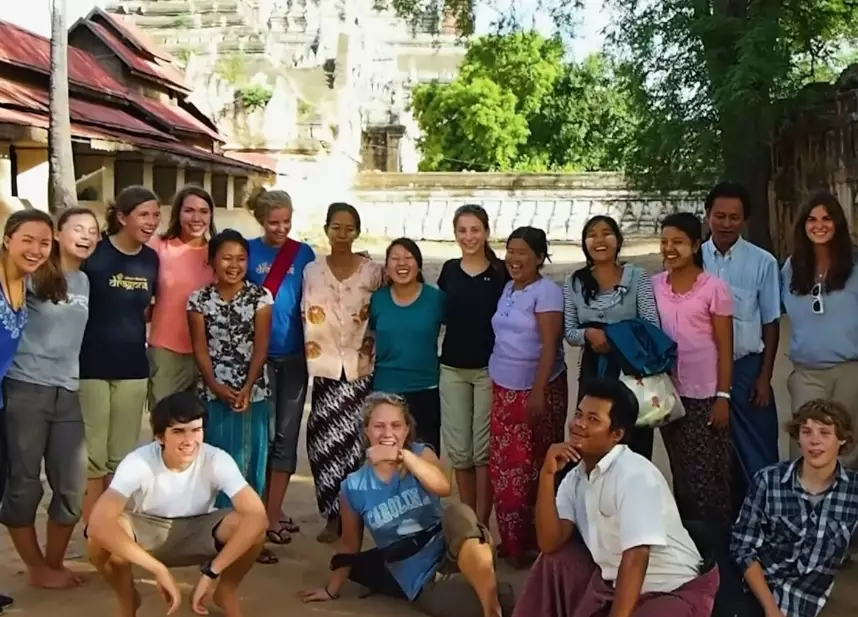
Top Program Types: Beyond Just Summer Work
Most people only know about "Work and Travel." That's one slice of the pie. The J-1 visa has over 15 categories. Picking the right one is crucial.
The Major Players You Should Know
| Program Category | Primary Focus | Who It's For | Typical Duration |
|---|---|---|---|
| Summer Work Travel | Cultural exposure through seasonal work (hospitality, resorts, parks). | Full-time university students on summer break. | Up to 4 months. |
| Intern | Structured, hands-on learning in your academic field. | Current students or recent graduates (within 12 months). | 3 weeks to 12 months. |
| Trainee | Advanced professional training in a specific field. | Professionals with a degree/certificate + 1 year related experience, OR 5+ years of experience. | 3 weeks to 18 months. |
| Teacher | Teach your native language and culture in U.S. schools. | Certified teachers with teaching experience. | Up to 3 years (extendable to 5). |
| Au Pair | Live with a host family, providing childcare and experiencing family life. | Young adults (18-26) who enjoy working with kids. | 12 months (extendable to 24). |
I once advised a marketing graduate from Spain who took a "Summer Work Travel" job at a beachside ice cream shop. Fun, but it did zero for her resume. The next year, she applied as a "Trainee" and landed a spot in a Boston digital marketing agency. That second experience led to a job offer back home. The category matters.
How to Choose the Right Program for You
This isn't about picking the cheapest option. It's a strategic decision. Ask yourself these questions, in this order:
- Primary Goal: Career development, cultural immersion, improving English, or saving money?
- Timeline & Eligibility: Are you currently a student? A recent grad? A professional? Your status locks/unlocks categories.
- Financial Reality: Some programs require you to secure a job offer before applying (like many Trainee positions), others let you search after arrival (like Summer Work Travel). The former is less financially risky.
- Sponsor Reputation: This is huge. The sponsor is your lifeline. Research them like you would a college.
Vetting a Sponsor: The Non-Negotiables
Go to the State Department's list of designated sponsors. Then, dig deeper.
Call them. Email them. Gauge their responsiveness. Ask for references from past participants from your country. Search online for reviews, but be wary of extreme outliers. A good sponsor will have clear fees, detailed pre-departure orientations, a 24/7 emergency U.S. number, and a network of local coordinators. A bad one will be vague, pushy, and hard to reach.
Smaller, niche sponsors sometimes offer more personalized support than the giant, well-known ones. It's a trade-off.
The Step-by-Step Application & Visa Process
Here's the real timeline, from someone who's watched applicants rush and panic. Start at least 6-9 months before your intended start date.
The Five Key Phases
Phase 1: Self-Assessment & Research (Months 9-7)
Lock down your goal and category. Shortlist 3-5 potential sponsors.
Phase 2: Sponsor Application (Months 7-5)
This is where you apply to the sponsor organization, not the U.S. government. You'll submit:
- Detailed application form
- Resume/CV (tailored to U.S. standards)
- Proof of student status or degree/diploma
- Proof of English proficiency (often an interview)
- For Intern/Trainee: A detailed training plan from a potential U.S. host company (the sponsor often helps find this).
- Program fee (first installment).

Phase 3: DS-2019 & Visa Interview (Months 5-3)
If accepted, your sponsor issues the DS-2019 Certificate of Eligibility. This is your golden ticket. Now, you:
- Pay the SEVIS I-901 fee online.
- Complete the online DS-160 visa application form.
- Schedule and attend your visa interview at the U.S. Embassy/Consulate.
The interview is critical. Dress professionally. Bring every document: passport, DS-2019, DS-160 confirmation, SEVIS fee receipt, proof of ties to your home country (property deed, job offer letter for your return, family photos). Be ready to articulate your cultural exchange goals clearly. "I want to improve my English and learn about American business culture" is better than "I want to travel and make dollars."
Phase 4: Pre-Departure & Arrival (Months 2-0)
Attend orientations. Book flights. Secure initial housing (often arranged by sponsor for the first few days). Get health insurance that meets your program's requirements—this is mandatory.
Phase 5: The U.S. Experience & Beyond
Check in with your sponsor. Attend arrival orientations. Remember, you have a 30-day "Grace Period" after your program ends to travel in the U.S. before your visa expires. Almost everyone forgets to plan for this.
The Real Cost Breakdown (No Sugarcoating)
Let's talk numbers. Hidden fees derail more dreams than visa denials. Here’s a realistic budget for a 4-month Summer Work Travel participant from Europe.
| Expense Category | Estimated Cost (USD) | Notes |
|---|---|---|
| Sponsor Program Fee | $1,500 - $2,500 | Covers administration, support, DS-2019 issuance. Varies widely. |
| SEVIS I-901 Fee | $220 | Mandatory U.S. government system fee. |
| Visa Application Fee (MRV) | $185 | Paid to the U.S. Embassy for the interview. |
| Round-Trip Airfare | $800 - $1,500 | Book early. Summer is peak season. |
| Proof of Financial Support | $1,000 - $2,000+ | You must show you have funds to cover initial costs. This isn't a spend, just proof. |
| Initial Housing Deposit & Rent | $800 - $1,500 | First month + deposit. Employer-provided housing may be deducted from pay. |
| Mandatory Health Insurance | $300 - $600 | For the full program duration. Non-negotiable. |
| Total Upfront Outlay | $5,000 - $9,000+ | You need this before you earn your first U.S. dollar. |
You will likely need to work to cover your living expenses and hopefully recoup some upfront costs. Minimum wage varies by state ($7.25 to $15+ per hour). Budget tightly. I knew a participant who blew their first two paychecks on a weekend in Las Vegas. Don't be that person.
Success Tips & Common Pitfalls to Avoid
This is the stuff you won't find in the glossy brochures.
Do:
- Start communicating with your potential U.S. employer early. Even if the sponsor places you, send a friendly email introducing yourself. It sets a professional tone.
- Open a U.S. bank account immediately upon arrival. It's safer than carrying cash, and you'll need it for direct deposit from your job.
- Get a U.S. SIM card with a data plan. Your phone is your map, translator, and lifeline. Google Fi or prepaid plans from T-Mobile/AT&T are good starts.
- Document everything. Take photos, write a journal, blog. This is for the memories, and also to show the cultural exchange component if anyone asks.
Don't:
- Overstay your visa or work illegally. It will permanently ban you from future U.S. visas.
- Assume your professional standards translate directly. American workplace communication can be more direct. Observe and adapt.
- Neglect your sponsor. If you have a problem with housing or work, call them first. That's what you paid them for.
- Forget about taxes. You will likely have U.S. income tax withheld. You might be eligible for a refund after you leave. Research "Non-Resident Alien Tax Return (Form 1040-NR)."

Your Burning Questions, Answered
The path to a cultural exchange program is detailed, but it's a proven path. It demands planning, honesty about your goals, and a genuine curiosity about life in the United States. Do the legwork, choose wisely, and go in with your eyes open. The experience—the friendships, the professional growth, the sheer adventure of it—can redefine your world view. That's the real exchange.
Reader Comments