Let's cut to the chase: a campus tour isn't just a leisurely stroll. It's your chance to peek behind the brochure and decide if a college feels like home. I've been on dozens of tours, both as a student and later helping my niece through her applications. The difference between a useful visit and a wasted afternoon comes down to strategy. Here's exactly what to do, step by step.
Your Quick Navigation
Why a Campus Tour is More Than Just a Walk
Think of it as a job interview where you're the employer. You're evaluating the campus culture, facilities, and whether students actually seem happy. I remember visiting a highly-ranked liberal arts college where the tour guide spent 20 minutes praising the new gym but glossed over the library's limited hours. That told me more about priorities than any brochure could.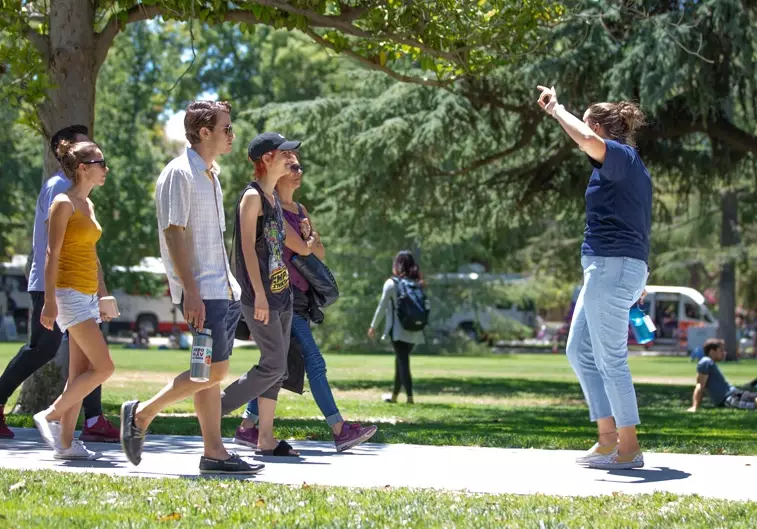
Your goal isn't to memorize building names. It's to answer: Can I see myself here for four years? The vibe matters. A study by the National Association for College Admission Counseling (NACAC) notes that campus visits significantly impact enrollment decisions, but most students focus on superficial details. Don't be that person.
Before You Go: Your Essential Preparation Kit
Show up unprepared, and you'll just follow the crowd. Here's what to do in the week before.
Research the College Online, But Not Too Much
Skim the official website for basics like academic programs, but avoid drowning in stats. Instead, look for recent student reviews on sites like Niche or Unigo. Note any red flags—like complaints about dining hall food or parking. Jot down three specific things you want to verify in person. For example, if the college boasts about small class sizes, plan to ask a student about their largest lecture.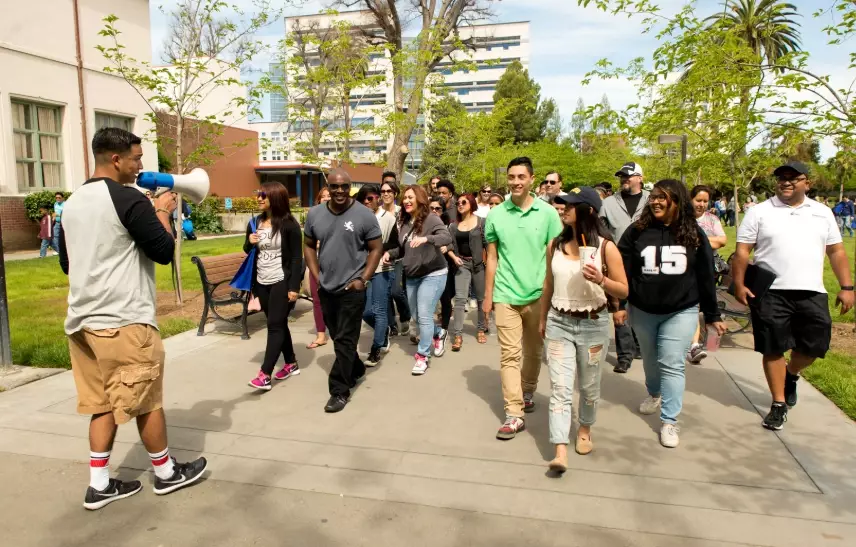
Pack the Right Gear
Comfortable shoes are non-negotiable. Tours often cover 2-3 miles. Bring a small backpack with water, snacks, a notebook (yes, paper—phones can be distracting), and a portable charger. Dress in layers; campuses can be unpredictable. I once toured a school in April and got caught in a hailstorm. Lesson learned.
Plan Your Questions in Advance
Don't rely on generic queries. Prepare a list tailored to your interests. If you're into engineering, ask about lab access after hours. For arts majors, inquire about studio space. Here's a starter table of questions categorized by topic:
| Topic | Sample Question | Why It Matters |
|---|---|---|
| Academics | How accessible are professors outside office hours? | Indicates support for student success. |
| Campus Life | What's one thing you wish you knew before freshman year? | Reveals hidden challenges. |
| Resources | Is the career center helpful for internships in my field? | Directly ties to post-grad outcomes. |
| Logistics | How reliable is campus Wi-Fi in dorms? | Affects daily life and study habits. |
Schedule your tour for a weekday when classes are in session. Avoid weekends; campuses feel dead, and you miss the energy.
On the Day: A Minute-by-Minute Tour Breakdown
Arrive 30 minutes early. Park, find the admissions office, and soak in the atmosphere. Are students smiling or stressed? Is the campus clean? These first impressions stick.
Arrival and Check-In: First Impressions Count
Check in at the admissions office. Grab any handouts, but don't just stand there. Chat with the staff—ask about upcoming events or changes to the curriculum. Their enthusiasm (or lack thereof) speaks volumes. On a tour at a midwestern university, the receptionist seemed bored, rolling her eyes at a basic question. It set a negative tone that the guide couldn't shake.
The Guided Walk: Key Stops and What to Look For
Most tours hit standard spots: library, dorm, dining hall, academic building. But look deeper. In the library, check if study spaces are crowded or if there's noise. Peek into a dorm room—is it cramped? Are there signs of wear? In the dining hall, glance at the food options. I once saw a salad bar with wilted lettuce; it hinted at broader maintenance issues.
Don't just listen to the guide's script. Observe the students around you. Are they engaged in discussions or glued to their phones? That tells you about the academic culture.
Talking to Students and Staff: The Unfiltered Truth
This is the most underrated part. During breaks, approach random students. Ask: "What's the best and worst thing about being here?" You'll get honest answers. On a tour at a coastal college, a sophomore told me about frequent power outages in the dorms—something never mentioned officially.
If possible, sit in on a class. Contact the admissions office ahead to arrange it. Seeing a professor in action reveals more than any brochure.
Pro tip: Take photos with your phone, but also jot down quick notes. Write sensory details—the smell of the cafeteria, the noise level in the quad. These help later when campuses blur together.
After the Tour: Turning Observations into Decisions
The tour ends, but your work isn't done. Within 24 hours, review your notes. Compare this campus to others you've visited. Create a simple pros and cons list. Include tangible factors like facility quality and intangibles like gut feeling.
Send a thank-you email to your tour guide, mentioning something specific they said. It keeps the connection open for follow-up questions. Then, reflect: Did the tour address your prepared questions? If not, email the admissions office for clarifications.
I advise students to rate each campus on a scale of 1-10 for academics, social fit, and resources. It forces objectivity when emotions run high.
5 Common Campus Tour Blunders (And How to Sidestep Them)
Everyone makes mistakes, but these can ruin your visit.
- Blunder 1: Staying silent. Tours are interactive. Ask questions, even if they seem silly. I once didn't ask about parking fees and later found out they were astronomical.
- Blunder 2: Focusing only on beauty. A pretty campus doesn't equal great education. Look beyond the aesthetics to infrastructure and student engagement.
- Blunder 3: Ignoring the surrounding area. Step off-campus. Is the town safe? Are there cafes or shops? This affects your daily life.
- Blunder 4: Relying solely on the guide. Guides are often trained to highlight positives. Seek unbiased opinions from other students.
- Blunder 5: Not taking notes. Memory fades. Write down impressions immediately, or you'll confuse campuses later.
Avoid these, and you'll stand out as a serious applicant.
Your Campus Tour Questions, Answered
How can I evaluate campus safety during a tour without sounding paranoid?
Look for practical signs: well-lit pathways, emergency blue-light phones, and security patrols. Ask the guide about safety protocols, but also observe if students walk alone at night. Check the college's annual security report online beforehand—it's required by law—and verify stats during the visit. Most guides appreciate thoughtful questions about safety; it shows maturity.
What if the tour feels rushed and I don't get to see everything I wanted?
Politely ask the guide if you can linger at a specific spot, like the science lab, after the tour ends. Many will agree. Alternatively, plan extra time to explore on your own. Use a campus map to revisit key areas. I've found that wandering without a guide sometimes reveals more—like hidden study nooks or dilapidated buildings.
Is it worth taking a virtual campus tour, and how does it compare to in-person?
Virtual tours are useful for initial screening, especially for distant colleges. They save time and money. But they often gloss over flaws. Use them to narrow down your list, but never commit without an in-person visit. The vibe—the energy, the smells, the unscripted interactions—can't be captured online. A student I mentored chose a college based on a virtual tour and regretted it when she arrived to find construction noise everywhere.
How do I handle a bad tour guide who seems disinterested or uninformed?
Don't let one person ruin your impression. Take the initiative to ask other students or staff questions later. After the tour, provide constructive feedback to the admissions office—they often appreciate it. Remember, guides are human; they might have an off day. Focus on the campus itself, not just the presentation.
What should I do if I'm visiting multiple campuses in a short time?
Create a dedicated notebook or digital doc for each campus. Immediately after each tour, spend 10 minutes writing a summary: three things you loved, three concerns, and one deal-breaker. Take photos labeled with the college name. This prevents mix-ups. I once confused two universities' dining halls in my notes—it led to a messy decision process.
Ultimately, a campus tour is your tool. Use it wisely. Trust your instincts, but back them with facts. The right college will feel like a place where you can grow, not just attend.
Leave a Comment