Let's cut to the chase. Joining a student organization isn't just a line on your resume. It's the core of your college experience. It's where you find your people, build real skills, and turn a huge campus into a community you belong to. But staring at a list of 500 clubs on your university's website is overwhelming. Where do you even start?
This guide is your roadmap. We'll move beyond generic lists and dive into specific, real-world student organizations examples across every category. More importantly, we'll talk about how to find them, choose the right one for you, and what nobody tells you about the process—including the common mistakes that waste your time.
Your Quick Navigation Guide
What Are Student Organizations?
Think of them as mini-communities with a shared purpose. They're officially recognized by your university, which usually means they get a small budget, can reserve rooms, and host events on campus. They range from huge, national chapters with hundreds of members to tiny, niche groups that meet in a professor's office.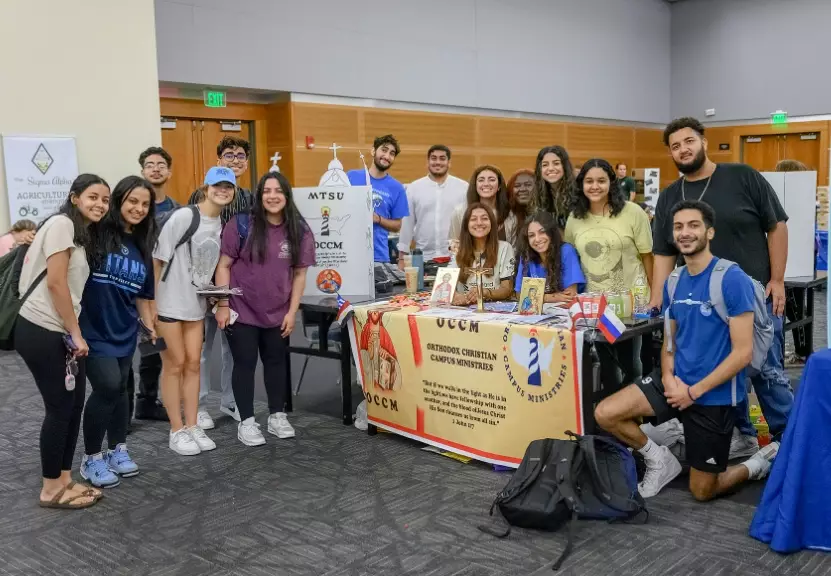
The value is immense, but it's not automatic. Just showing up to meetings gets you little. The magic happens when you get involved—planning an event, managing the social media account, or eventually leading the group. That's where you learn project management, budgeting, and how to work with difficult people (a skill every employer wants).
Major Types of Student Organizations with Real Examples
Here’s a breakdown of the main categories you'll find on almost any campus, with concrete names and descriptions so you know exactly what to look for.
| Type | Core Focus | Specific Examples | Typical Activities | Who It's For |
|---|---|---|---|---|
| Academic & Major-Based | Deepening knowledge in a specific field, networking with professors and professionals. | Biology Club, Pre-Law Society, Society of Women Engineers (SWE), American Marketing Association (AMA) Chapter, History Honors Society. | Guest lectures from industry pros, lab tours, case study competitions, resume workshops, graduate school prep panels. | Students in or considering that major. Great for making friends in your classes. |
| Cultural & Identity-Based | Building community around shared heritage, identity, or experience. | Black Student Union (BSU), Asian Student Alliance, LGBTQ+ Alliance, International Student Association, First-Generation Student Club. | Cultural celebration festivals, peer mentorship programs, awareness campaigns, social mixers, discussions on relevant issues. | Students who identify with that group and allies who want to learn and support. Crucial for finding your support network. |
| Service & Advocacy | Volunteering locally or championing a cause. | Habitat for Humanity Campus Chapter, Environmental Action Coalition, Best Buddies (working with people with disabilities), Amnesty International Chapter. | Weekly volunteer shifts at a food bank, organizing campus clean-ups, letter-writing campaigns, fundraising drives, organizing rallies or educational events. | Students passionate about a cause who want tangible, hands-on impact. |
| Recreational & Special Interest | Pure fun, hobbies, and shared passions. | Ultimate Frisbee Club, Board Game Club, Anime Society, Hiking Club, Film Production Club, Cheese Club (yes, this exists at some schools). | Weekly games or meetups, weekend trips, film screenings, tournaments, collaborative projects. | Anyone looking to de-stress and connect over a hobby. Often low-commitment and high-fun. |
| Leadership & Honor Societies | Recognizing achievement and developing leadership skills. | Student Government Association (SGA), Residence Hall Association, Phi Beta Kappa (academic), Order of Omega (Greek life leadership). | Representing student voices to administration, allocating club funding, planning large-scale campus events, community service projects. | Students with strong academic records or demonstrated leadership. Often requires an application or invitation. |
Look at your own interests. Are you a Computer Science major who loves hiking? Maybe join the CS club and the outdoor adventure group. You don't have to pick just one identity.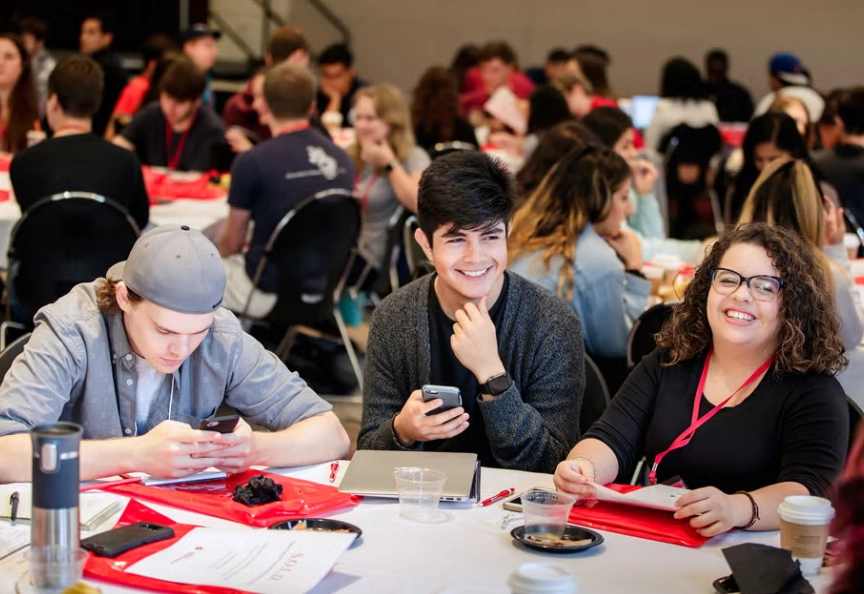
Beyond the List: What These Clubs Actually Do
Let's make it even more concrete. Say you join the American Marketing Association (AMA) Chapter. Your semester might look like this: You attend a weekly meeting where a local agency owner talks about social media trends. You sign up for the committee planning the annual "Marketing Madness" case competition. You end up designing the event's Instagram graphics. By semester's end, you've got a new skill (Canva or basic graphic design), a project to talk about in interviews, and you've worked closely with five other students who now know your name and work ethic.
Contrast that with the Hiking Club. You pay a $20 semester fee. Every other Saturday, a carpool leaves for a state park trail. You spend 4 hours talking with people from different majors about everything except school. You come back exhausted, refreshed, and with a few new Instagram followers who might become study buddies later. The value is purely social and mental health, and that's completely valid.
How to Find and Choose the Right Student Organization for You
Okay, you know the types. Now, how do you navigate your specific campus jungle?
Start with Your Campus Website and Social Media
Every school has a hub. It might be called "Student Life," "Campus Activities," or "Involvement." Find it. Use their search filter—don't just scroll. Filter by "academic," "cultural," or "recreational." Then, immediately look them up on Instagram. A club's Instagram tells the real story. Are their posts just flyers from 2019? Red flag. Do they have highlights from recent events, member spotlights, and a link in their bio to a Discord or GroupMe? Green flag. That's an active, engaged community.
Attend the Club Fair (But Don't Just Grab Flyers)
The fall club fair is chaos. Everyone is handing you candy and flyers. Don't just collect paper. Have a mission. My strategy? Talk to the person at the booth for 60 seconds. Ask: "What's one thing your club is doing this semester that you're most excited about?" or "What's the typical time commitment for a new member?" Their enthusiasm (or lack thereof) is your best data point.
I remember walking past the "Model United Nations" table three times because it seemed intimidating. Finally, I stopped. The student said, "We argue about global politics and then go get pizza." I joined. The debates were great, but the pizza chats are where I learned about internship opportunities and got help with my poli-sci papers.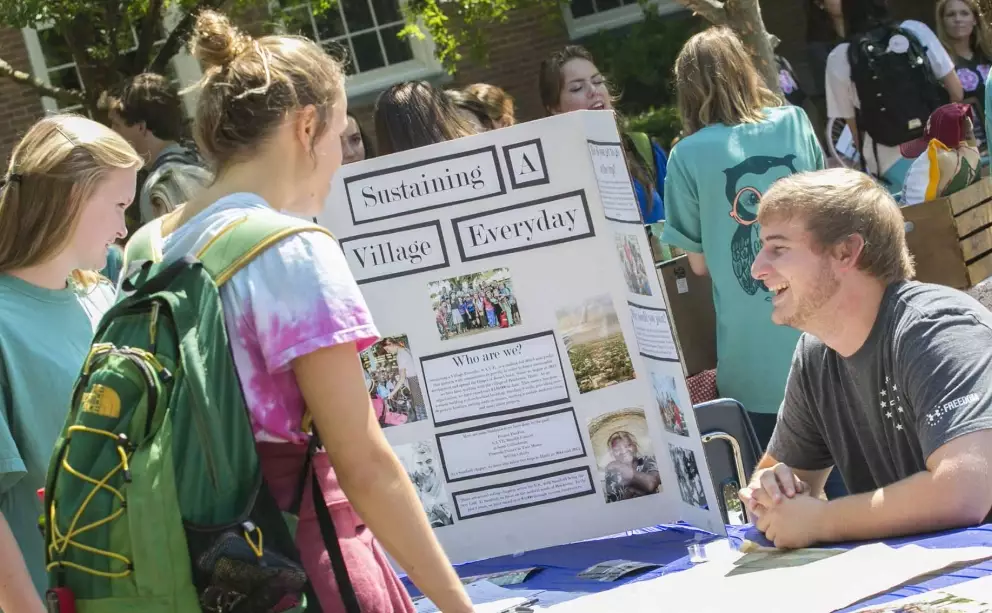
Ask the Right Questions Before You Commit
Before you sign your email address on that interest list, think it through.
- Time: Is it weekly? Bi-weekly? Are there mandatory events outside meeting times?
- Money: Is there a membership fee? What does it cover? (T-shirt, travel, event costs?). Don't be shy to ask.
- Culture: Go to one or two meetings as a guest. Does the leadership seem organized? Do members seem happy to be there? Is it cliquey, or do they welcome newcomers?
It's okay to shop around. Attend a few different clubs' first meetings in a semester. You're not betraying anyone.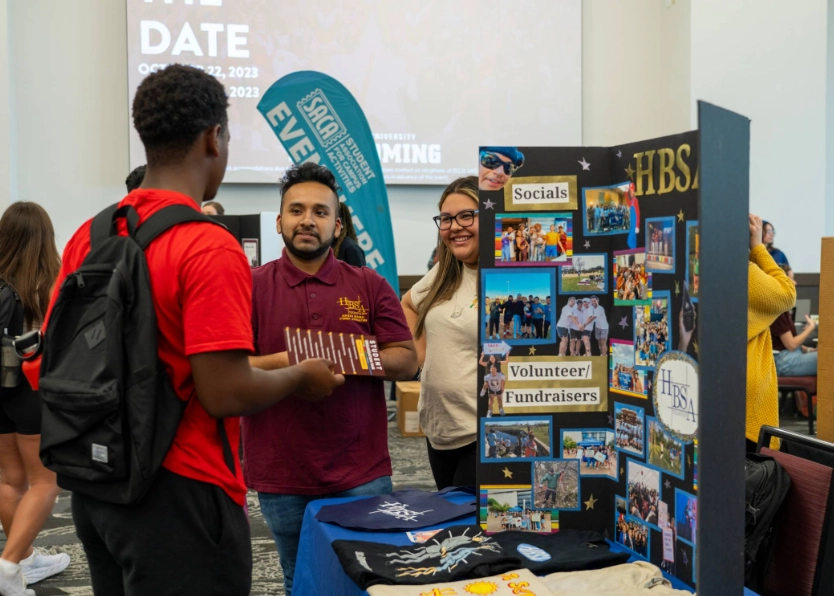
How to Start Your Own Student Organization: A Realistic Guide
Can't find what you're looking for? Start it. I co-founded a podcasting club in my junior year. It was rewarding and a massive headache. Here's the real process, not the sugar-coated version.
Step 1: The Idea & The People. You need a clear, unique purpose. "A club for people who like stuff" will get rejected. Try "A club to explore and create audio storytelling through podcasts, interviewing campus innovators." Then, find at least 4-5 other interested students. You'll need them for the application.
Step 2: The Paperwork (The Slog). Your campus will have a "new student organization registration" form. It will ask for:
- A constitution (they usually have a template). This outlines your mission, officer roles, and rules.
- A list of founding members and elected officers.
- A faculty/staff advisor. This is the hardest part. You need a professor or administrator willing to sign on. Start with a professor you have a good relationship with who has interests aligned with your club's goal.
- A plan for your first semester. List 3-5 potential events or meetings.
Step 3: The Approval & The Trial. You'll submit this to a student government committee. They might approve you, or ask for revisions. Once approved, you're often on a "provisional" status for a semester or year. You need to prove you can actually function—hold meetings, manage money (if any), and follow campus rules.
The struggle is real. Finding a meeting room that's free at a good time. Chasing people for dues. The internal drama when someone doesn't do their part. But seeing 20 people show up to your first podcast recording workshop makes it worth it. You build something from nothing.
Your Burning Questions Answered (FAQ)
The best student organizations examples are the ones that spark a genuine "that sounds cool" in your gut. Use this guide as a filter to move from overwhelming lists to a shortlist of real possibilities. Go to a meeting. See how it feels. The worst that happens is you waste an hour. The best that happens is you find your people and a part of college you'll remember long after the grades fade.
Reader Comments