Let's cut to the chase. University accreditation isn't just another box to tick. It's the fundamental quality control mechanism for higher education, and misunderstanding it is the single biggest mistake I see students and parents make. After over a decade advising students, I've seen too many horror stories: degrees that employers don't recognize, credits that won't transfer, and six-figure student loan debt for a piece of paper that's essentially worthless. This guide will walk you through exactly what accreditation means, why the type matters more than the name of the school, and how to protect your investment.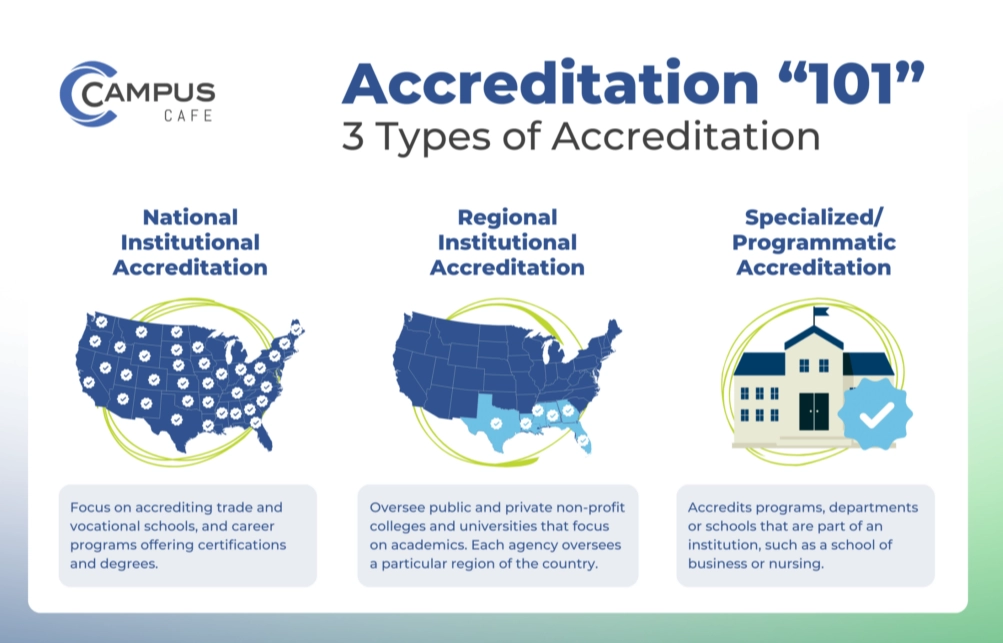
Your Quick Navigation Guide
What Is Accreditation & Why It's Non-Negotiable
Think of accreditation as a school's license to operate legitimately. It's a voluntary (but essential) review process conducted by independent, non-governmental agencies. These agencies send teams of experts to evaluate everything: curriculum rigor, faculty qualifications, student support services, library resources, and financial stability.
The goal? To ensure the school meets minimum quality standards. If it doesn't, it either improves or loses its accredited status.
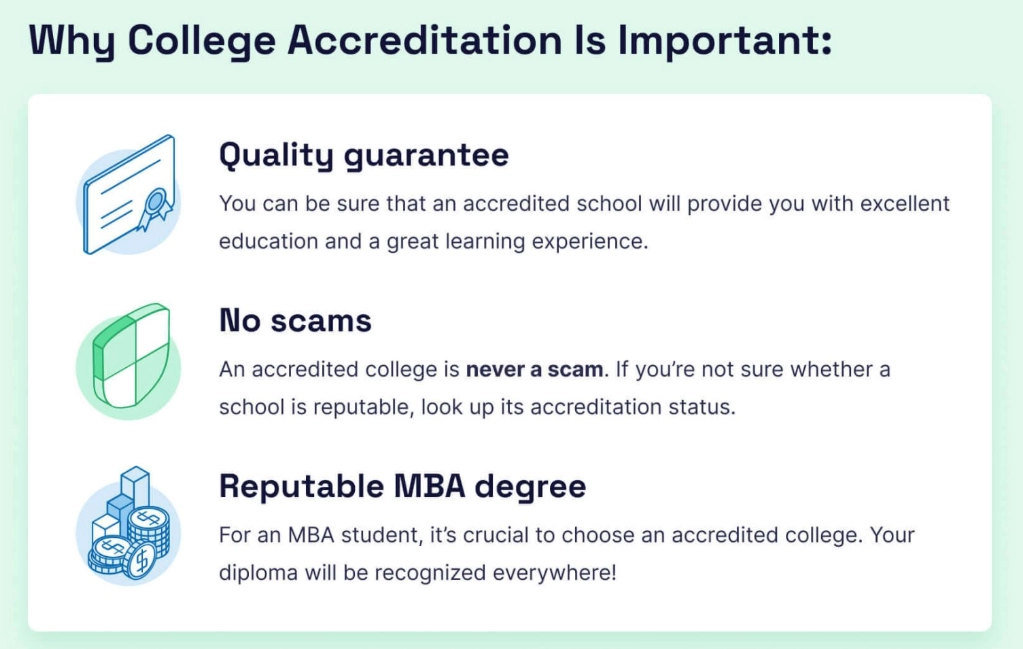
The Bottom Line: Attending an accredited institution is the only way to guarantee your degree will be recognized by other schools, employers, and professional licensing boards. It's the difference between an education and an expensive souvenir.
Here’s what hinges on proper accreditation:
- Federal Financial Aid: Only students at accredited schools are eligible for U.S. federal loans and grants. No accreditation = no FAFSA money.
- Credit Transfer: Want to switch schools or pursue a master's degree? Accredited credits are far more likely to be accepted.
- Employer Recognition: Most serious employers, especially in fields like engineering, nursing, or accounting, require degrees from accredited programs.
- Professional Licensure: You can't sit for the bar exam, the CPA exam, or the NCLEX-RN (nursing) without a degree from an accredited program.
I once worked with a student who completed two years at a non-accredited online business school. When he tried to transfer to a state university, not a single credit was accepted. He had to start from scratch. That's two years and tens of thousands of dollars down the drain.
Regional vs. National Accreditation: The Critical Divide
This is where most people get tripped up. Not all accreditation is created equal. In the U.S., the primary distinction is between Regional and National accreditation. Treating them as equals is a classic, costly error.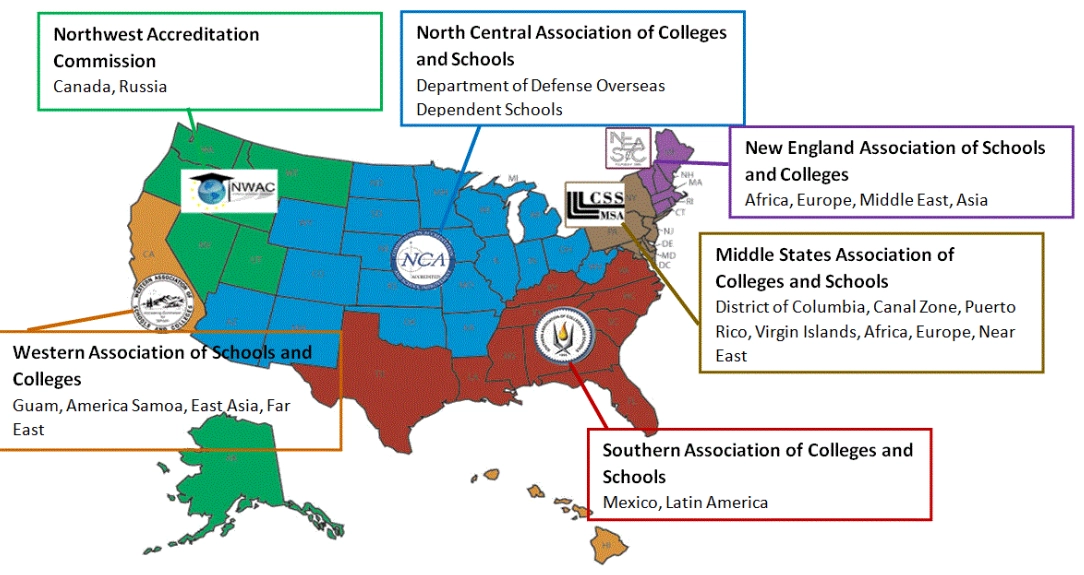
| Aspect | Regional Accreditation | National Accreditation |
|---|---|---|
| Scope & Prestige | Considered the "gold standard." Focuses on traditional, comprehensive colleges and universities (public and private non-profit). | Often granted to career-focused, vocational, faith-based, or for-profit institutions, including many online schools. |
| Governing Bodies | Six geographic agencies (e.g., WASC, SACSCOC, NECHE). They are recognized by the Council for Higher Education Accreditation (CHEA) and the U.S. Department of Education (USDE). | Agencies like the Distance Education Accrediting Commission (DEAC) or the Accrediting Commission of Career Schools and Colleges (ACCSC). Also recognized by CHEA/USDE. |
| Credit Transfer | Credits and degrees are widely accepted by other regionally accredited schools. Transfer is generally smooth. | Major Pitfall: Credits from nationally accredited schools are often not accepted by regionally accredited schools. Transfer can be very difficult or impossible. |
| Best For | Students planning on a traditional 4-year degree, those likely to transfer, or anyone considering graduate school. | Students seeking specific technical/trade skills with a clear, direct career path and no plans to transfer to a traditional university. |
Expert Reality Check: If a nationally accredited school aggressively advertises that its credits "may" transfer to other colleges, read that as "probably won't." The burden of proof is on you to get written pre-approval from the receiving school before you enroll.
The rule of thumb? If you have any doubt about your future plans, choose a regionally accredited institution. It keeps the most doors open.
How to Verify a School's Accreditation Status
Never, ever take a school's word for it on their own website. Verifying accreditation is your responsibility, and it takes about five minutes. Here’s the exact process I use with every client.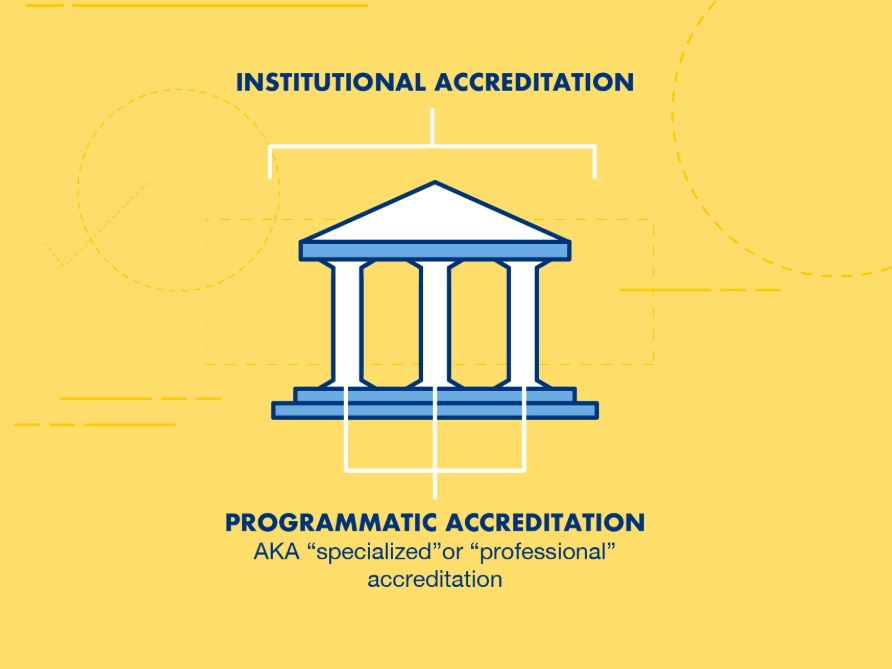
- Find the Accreditor's Name: Look in the website's footer, "About Us," or "Accreditation" page. They must list the specific agency.
- Cross-Check with Official Databases: Go directly to the two U.S. government-recognized databases: Search for the school. If it's not in both, be extremely wary.
- Check the Agency's Status: Is the accreditor itself recognized by CHEA or USDE? A school accredited by a "diploma mill" accreditor is just as bad as being unaccredited.
- Look for Sanctions: Check if the school is on "probation" or "warning" status with its accreditor. This is a red flag that its quality is under review and its accreditation could be at risk.
- Verify Program-Specific Accreditation: For fields like nursing, engineering, business (AACSB), or law, specialized programmatic accreditation is often required. Check with the relevant professional association.
Bookmark those two database links. They are your most powerful tools.
Accreditation vs. Ranking: Don't Confuse the Two
This is another subtle point that causes confusion. Accreditation is about minimum quality thresholds. It's a binary gatekeeper: a school either meets the baseline standards or it doesn't.
Rankings (like U.S. News & World Report) are about prestige and relative position among schools that are already accredited. They measure things like selectivity, endowment size, and peer reputation.
The Dangerous Assumption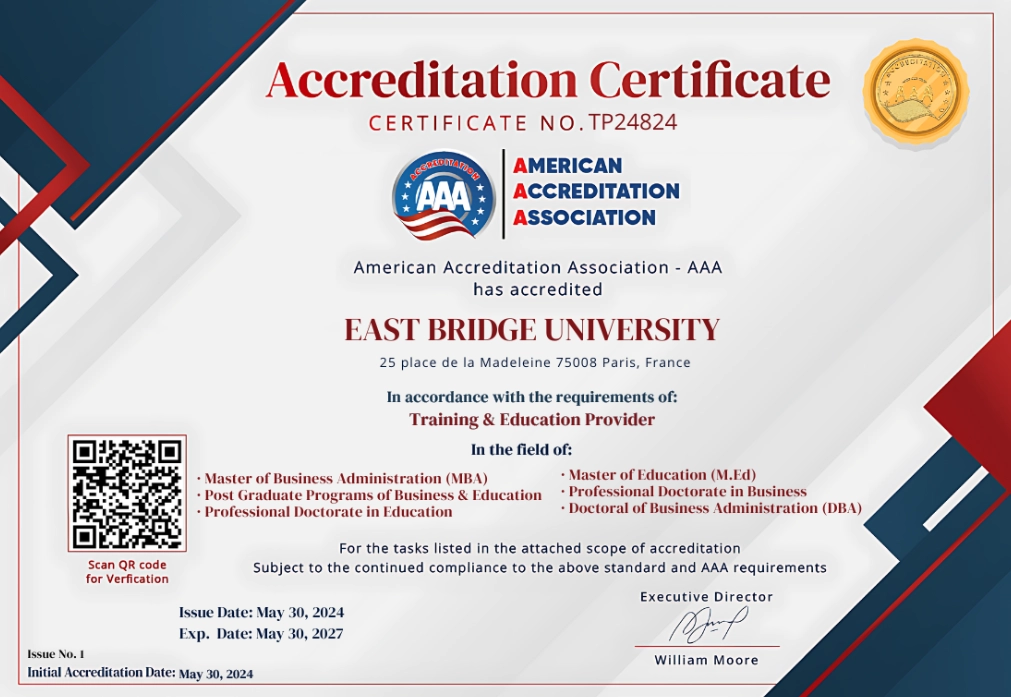
People assume a highly-ranked school is automatically better accredited. Not true. All ranked schools are accredited, but a lower-ranked or un-ranked school can have perfect, unimpeachable accreditation. A school's rank tells you nothing about the fundamental validity of its degree in the way accreditation does.
Prioritize accreditation first. Once you have a list of properly accredited schools, then you can use rankings, cost, location, and programs to decide among them.
Your Burning Accreditation Questions Answered
 How important is programmatic accreditation for my specific major?
 Choosing a college is one of the biggest financial and life decisions you'll make. Don't let flashy marketing or a low sticker price distract you from the foundational question: Is this school legitimately accredited? Do the verification work upfront. It's the simplest, most powerful way to protect your future.
Reader Comments