Let's be honest, checking a school's accreditation status feels like homework. You know you should do it, but it's dry, confusing, and easy to put off. But here's the thing: skipping this step is one of the most expensive mistakes you can make in your education journey. I've seen students transfer credits only to find out they won't count, and others stuck with loans for a degree employers don't recognize. The good news? The U.S. Department of Education maintains a free, official list that cuts through the noise. It's not just a bureaucratic document; it's your shield against diploma mills and your key to unlocking financial aid. This guide isn't a rehash of the government's FAQ page. We're going to walk through exactly how to use that list like a pro, point out the parts everyone misses, and show you what to do after you've checked the box.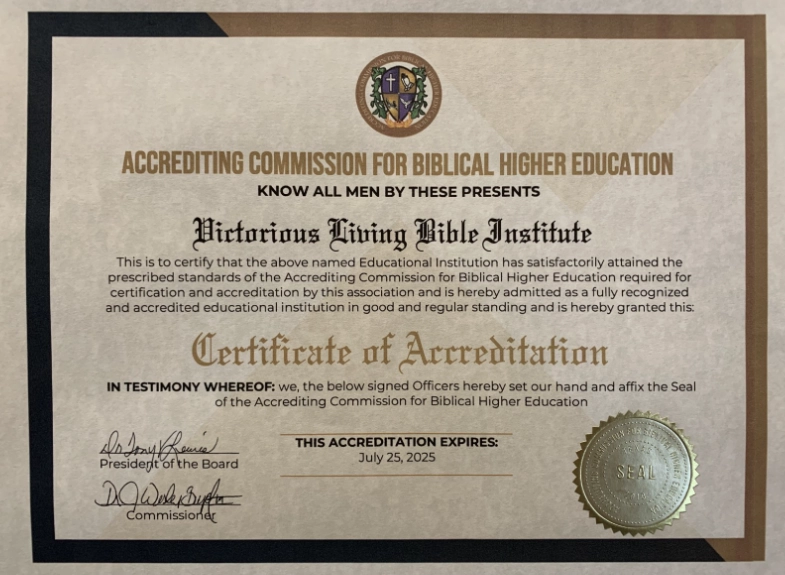
Your Quick Guide to Accreditation
What Exactly Is the U.S. Department of Education Accreditation List?
First, a quick reality check. The U.S. Department of Education (ED) itself does not accredit schools. That's a common misconception. Their role is to recognize the private, non-governmental agencies that do the actual accrediting. Think of it like this: the ED approves the "inspectors," and those inspectors (accrediting agencies) then evaluate the schools.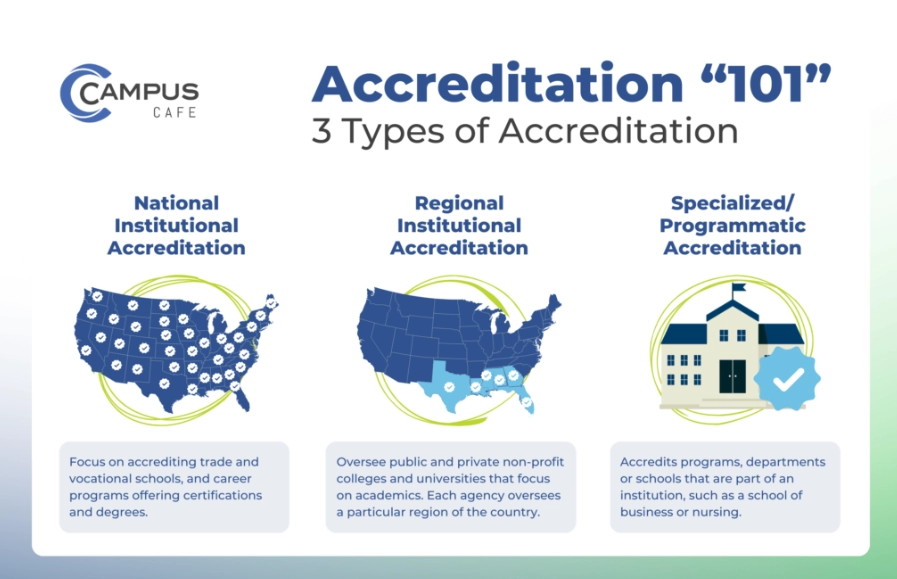
The official list, formally called the Database of Accredited Postsecondary Institutions and Programs, is simply a compilation of all schools and programs that have been accredited by an agency the ED recognizes. It's a massive, searchable database. When a school brags about being "nationally accredited," this is the list that verifies if that claim is legitimate and if their accreditor has the ED's stamp of approval.
Why Checking the Accreditation List is Non-Negotiable
This isn't about prestige. It's about concrete, financial, and academic protections. Overlooking accreditation can torpedo your plans in three major ways:
Federal Financial Aid Access: This is the big one. To be eligible for federal student loans, grants (like the Pell Grant), and work-study programs, a school must be accredited by an ED-recognized agency. No exceptions. If you enroll at an unaccredited institution, you're paying 100% out-of-pocket.
Credit Transfer Nightmares: Imagine completing a year of coursework, then trying to transfer to another college. If your original school isn't properly accredited, the new school will likely reject every single credit. You've wasted time and money. Regionally accredited schools are often hesitant to accept credits from nationally accredited ones, and vice versa. The list helps you understand this landscape from day one.
Employer Recognition and Licensure: Many employers, especially in fields like healthcare, engineering, and education, require degrees from accredited institutions. State licensing boards for professions like nursing or accounting almost always have the same requirement. A degree from an unaccredited school might be little more than an expensive piece of paper.
The Two Types of Accreditors You Must Know
The ED recognizes two broad categories of institutional accreditors. Confusing them is a classic rookie mistake. The list won't spell out the implications, but your future might.
| Accreditor Type | Scope & Focus | Common Examples | Key Consideration |
|---|---|---|---|
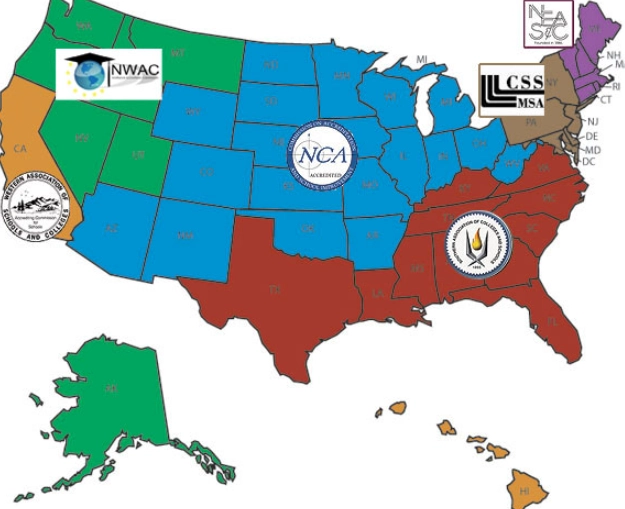
| Regional Accreditors | Evaluate entire institutions within a specific geographic region. Focus is broad, covering liberal arts, sciences, and research universities. | Middle States Commission on Higher Education (MSCHE), Higher Learning Commission (HLC). | Traditionally viewed as more prestigious. Credits from regionally accredited schools transfer more easily, especially to other regional schools. |
| National Accreditors | Evaluate institutions nationwide, often with a focus on career-oriented, vocational, faith-based, or for-profit schools. | Accrediting Commission of Career Schools and Colleges (ACCSC), Distance Education Accrediting Commission (DEAC). |
Regional vs. National: The Unspoken Hierarchy
Here's the insider perspective nobody tells you upfront: while both are "valid" on the ED list, they are not treated equally in the real world. I personally think the term "national" is misleading—it sounds broader than "regional," but in academia, the opposite is often true.
If your plan involves potentially transferring or pursuing a graduate degree later, regional accreditation is usually the safer, more flexible path. Many regionally accredited universities have strict policies against accepting credits from nationally accredited institutions. The reverse is less common. This isn't a judgment on quality, but a fact of academic politics. Always check a target school's transfer credit policy before enrolling.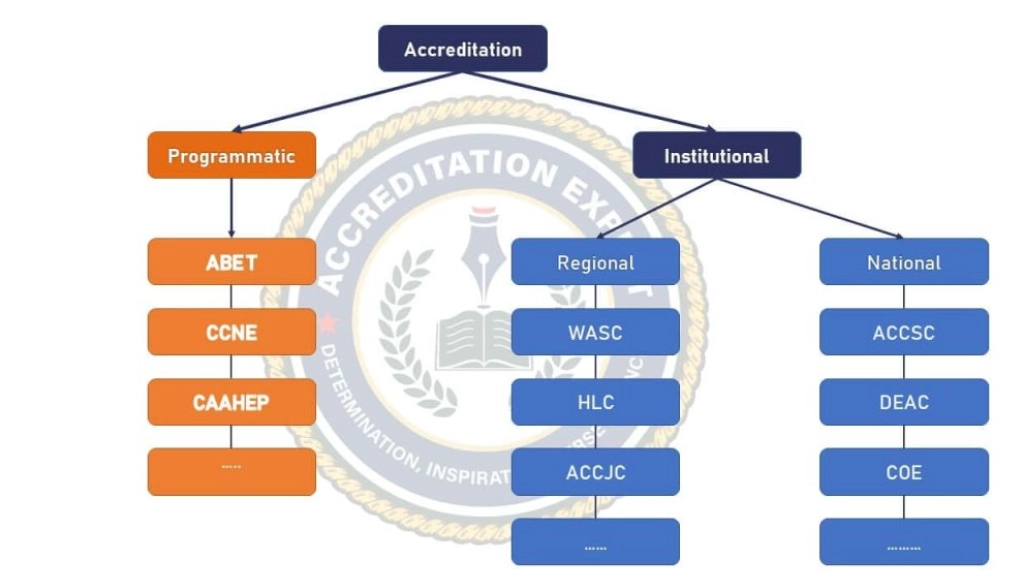
Step-by-Step: How to Use the Accreditation List
Let's get practical. Here’s exactly how to navigate the U.S. Department of Education’s Database of Accredited Postsecondary Institutions and Programs.
Step 1: Find the Official Database. Don't just Google "accreditation list." Go directly to the source. You can search for "U.S. Department of Education Database of Accredited Postsecondary Institutions and Programs." I won't paste a URL that might break, but that exact phrase will get you there.
Step 2: Use the Search Tool. You can search by school name, city, state, or accrediting agency. Be precise. Searching "University of Phoenix" will yield a clear result. Searching "Phoenix University" might not.
Step 3: Decode the Results Page. This is where most people glance and leave. Don't. Click on your school's entry. The detail page tells you:
- Accreditation Status: Is it "Accredited" or "Preaccredited/ Candidacy"? Candidacy means they are working toward accreditation but are not fully accredited yet. Enrolling during candidacy is risky.
- Accrediting Agency: Which body accredited them? Note if it's regional or national.
- Period of Accreditation: When was it last reviewed? When does it expire? Accreditation isn't forever; agencies re-evaluate schools every few years. A school accredited 20 years ago with no recent review is a red flag.
- Scope of Accreditation: Does the accreditation cover the entire institution or just specific programs? For specialized fields (e.g., engineering, business), you need programmatic accreditation in addition to institutional.
Hypothetical Scenario: John is looking at "TechPro Online Institute." The ED list shows it's accredited by a national agency, but the "Period of Accreditation" shows it expires next month. This is a major warning sign. The school could be in the process of losing its accreditation, which would jeopardize John's financial aid and degree value mid-program. He should contact the school directly and ask for clarification before applying.
Common Pitfalls and How to Avoid Them
Checking the list is step one. Understanding its limitations is step two.
Pitfall 1: Assuming "Accredited" Means "Perfect." Accreditation is a minimum quality threshold, not a seal of excellence. A school can be accredited and still have poor graduation rates, high debt loads for graduates, or unsatisfactory student services. Use the list as a filter, not the final verdict. Cross-reference with resources like the College Scorecard (another ED tool) for outcomes data.
Pitfall 2: Ignoring Programmatic Accreditation. This is critical for specific careers. Your nursing school might be institutionally accredited, but if its nursing program isn't accredited by the Commission on Collegiate Nursing Education (CCNE) or the Accreditation Commission for Education in Nursing (ACEN), you may not be able to sit for the NCLEX-RN exam to become a nurse. For fields like engineering, business, law, and therapy, always verify programmatic accreditation through the relevant professional association's website.
Pitfall 3: Confusing State Approval with Accreditation. A school may be legally licensed to operate in a state, but that is not the same as accreditation. Diploma mills often hide behind "state-approved" language. The ED list is the definitive source for accreditation.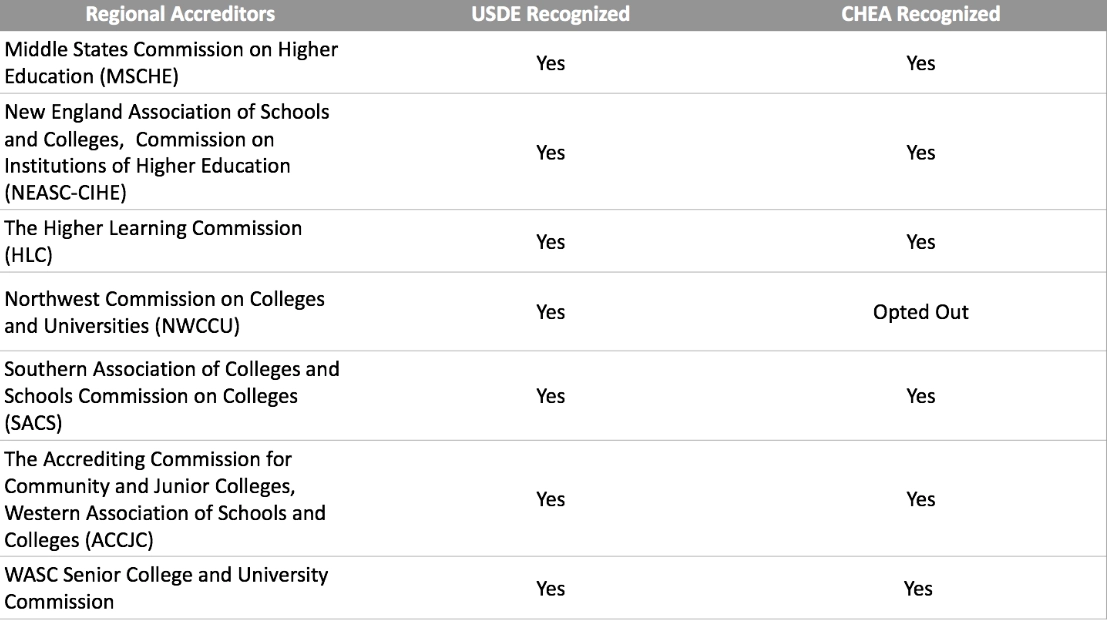
What to Do After You've Checked the List
You've confirmed the school is on the list. Great. But is that enough? Not really. Here’s your post-list action plan:
1. Verify with the Accreditor Directly. The ED database updates, but there can be lags. Go to the website of the accrediting agency named in the database (e.g., the Higher Learning Commission). They maintain their own, often more current, lists of member institutions. This double-checks the data.
2. Check for Complaints or Sanctions. Search for the school's name along with "accreditation warning," "probation," or "lawsuit." Accreditors publicly disclose if a school is on probation or has been issued a warning. This information might be on the accreditor's site but not prominently featured on the ED list.
3. Understand the "Recognized vs. Approved" Nuance. The Council for Higher Education Accreditation (CHEA) is another private organization that recognizes accreditors. Some schools are accredited by agencies recognized by CHEA but not the ED. For federal financial aid eligibility, the ED recognition is the only one that matters. CHEA recognition is about academic quality, not loan access.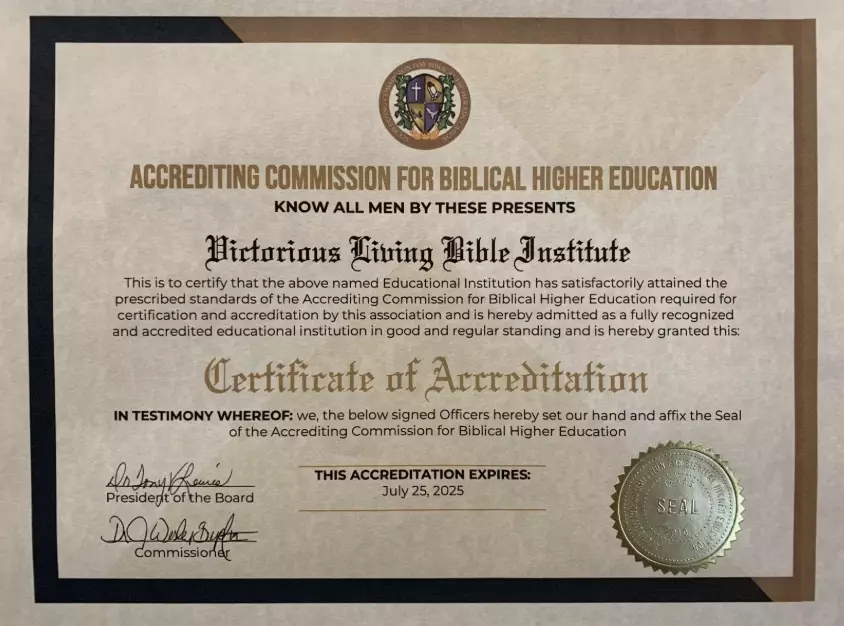
Your Accreditation Questions, Answered
 What's the real difference between a "nationally accredited" for-profit college and a community college?
Reader Comments