You've heard about MOOCs. Maybe you've even bookmarked a few. But when you actually go to sign up, the sheer number of massive open online course examples is overwhelming. Coursera, edX, FutureLearn… where do you even start? This isn't just a list. It's a roadmap. We're going to look at specific courses, break down the real differences between platforms, and I'll share a few things I wish I knew before wasting time on courses that didn't fit. Let's cut through the noise.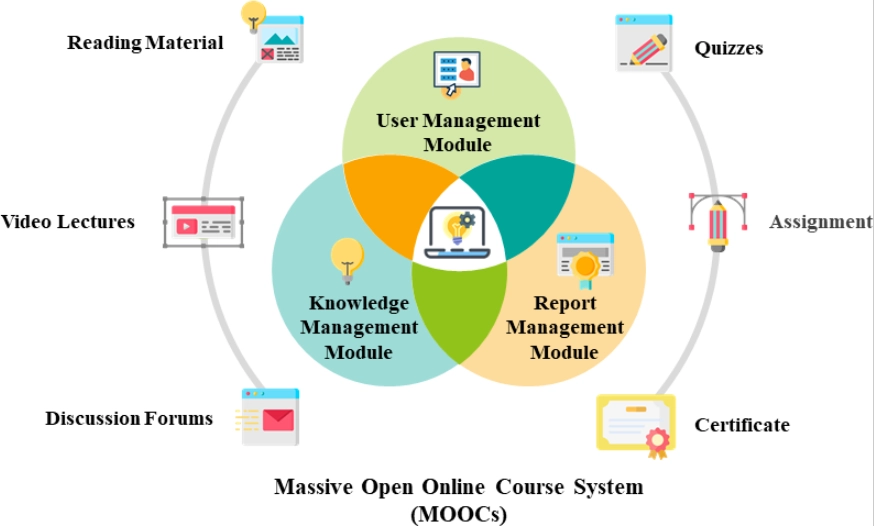
What's Inside This Guide
What Are MOOCs, Really?
Let's get the basics out of the way. A Massive Open Online Course (MOOC) is exactly what it sounds like: a class designed for unlimited participation, delivered entirely online. The "open" part usually means free to audit. You can watch the lectures, read the materials, and sometimes even do the assignments without paying a cent.
The catch? If you want the official certificate to slap on your LinkedIn or resume, that's where the fee comes in. This audit-vs-certificate model is the backbone of most platforms. It's a fantastic system—you can try before you buy, so to speak. But it also leads to the first big pitfall: people sign up for the free version with great intentions, then life gets in the way and they never finish. Completion rates are famously low. The value isn't in signing up; it's in finishing.
Major MOOC Platforms and Their Vibe
Not all MOOC providers are created equal. Each has a distinct personality, partner base, and strength. Picking the right platform is half the battle.
| Platform | Key Partners / Origin | Best For | Pricing Model (Example) | Unique Feature |
|---|---|---|---|---|
| Coursera | Stanford, Yale, Google, IBM | Career-oriented certificates, full degrees, university credit. | ~$49-$99 per course. $59/month for Specializations. | "Guided Projects" for hands-on, short-term skills. |
| edX | Harvard, MIT, Berkeley | Rigorous academic subjects, MicroMasters programs. | Free audit. $50-$300 for verified certificate. | Non-profit mission. Often seen as more "academic." |
| FutureLearn | UK universities (Oxford, British Council) | Social learning, creative arts, humanities. | Free audit. One-time fee or subscription for certificate. | Heavy emphasis on discussion and peer interaction. |
| Udacity | Industry-focused (Google, AWS, Mercedes-Benz) | Tech skills for immediate job readiness ("Nanodegrees"). | Subscription-based, ~$399/month for Nanodegrees. | Project-centric, with mentor and career services. |
| SWAYAM (India) | Indian Government, IITs, IIMs | Students in India, curriculum-aligned courses. | Mostly free. Certificates may have a nominal fee. | Official credit transfer to Indian universities. |
See the difference? If you want a computer science theory course from MIT, edX is your spot. If you want a practical "Google Data Analytics" certificate to change careers fast, you head to Coursera. Udacity is less about theory and all about building a project portfolio. FutureLearn feels like a friendly online book club with assignments.
I made the mistake early on of treating them all the same. I took a brilliant, theoretical philosophy course on edX and loved it. Then I tried a similar-sounding one on a more career-focused platform and was frustrated by its practical, simplified approach. It wasn't worse—it was just for a different audience.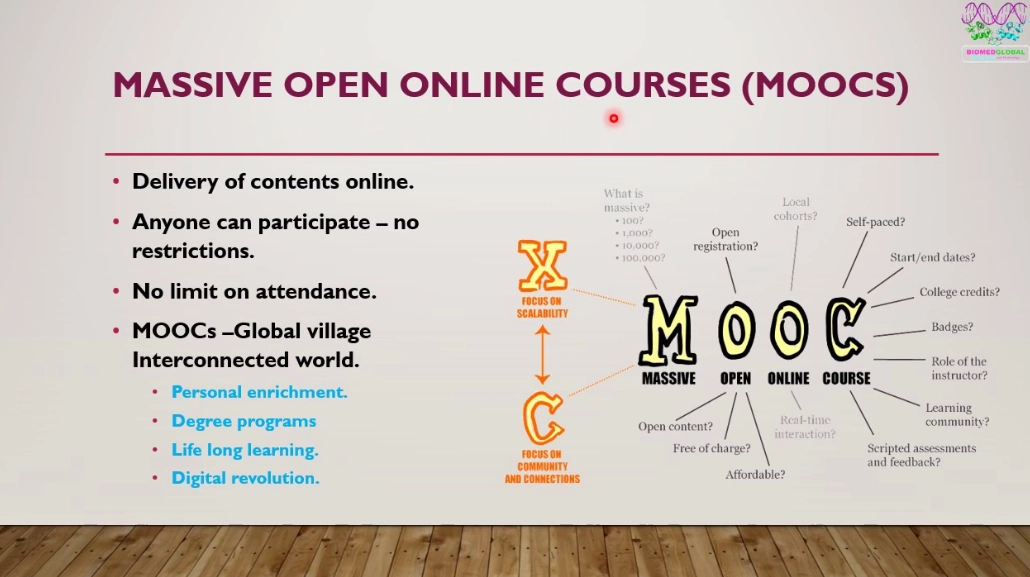
How to Choose the Right MOOC for You
This is where most guides stop. They give you the list and say "good luck." Not helpful. Choosing isn't about the "best" course globally; it's about the best course for you right now. Ask yourself these questions:
What's your end goal? Be brutally honest.
- Career Changer / Promotions: Prioritize industry-recognized certificates (Google, IBM, AWS on Coursera; Nanodegrees on Udacity). The brand name of the certificate matters more than the university here. Check job postings you want—do they mention specific certifications?
- Skill Top-Up: You're a marketer wanting to learn Python for data analysis. Look for applied, project-based courses with a manageable time commitment (6-10 weeks). The certificate is less important than the portfolio piece you build.
- Pure Curiosity / Lifelong Learning: You want to understand black holes or Roman history. This is the paradise of free auditing. Explore edX and FutureLearn for deep academic dives. Completion pressure is low—enjoy the journey.
How do you learn best?
Do you need deadlines and peer pressure? Look for courses with cohort start dates (common on FutureLearn, some edX courses) where everyone progresses together. Hate that? Stick to self-paced options (most Coursera, Udacity).
Are video lectures your thing, or do you prefer reading? Preview the course syllabus. Some are 90% video; others are text-heavy with supplemental videos.
The Non-Obvious Step: Scrutinize the Syllabus & Reviews
Never, ever enroll based on the title and promo video alone. Click into the full syllabus. What are the weekly topics? What are the assignments? A course titled "Introduction to AI" could be a high-level overview for managers or a math-heavy dive into neural networks.
Then, read the reviews—but read them critically. Look for reviews from people with a similar goal to yours. A one-star review saying "too theoretical" might be a five-star review for someone who wants the theory. I once ignored reviews complaining about a tough grading system for a programming course. I wanted the rigor, and it was the best course I took that year.
Specific Top-Tier Course Examples
Let's get concrete. Here are specific massive open online course examples across categories that consistently get high marks. These are starting points.
For Tech & Data Careers:
- Machine Learning by Andrew Ng (Coursera/Stanford): The classic. It's rigorous, uses Octave/Matlab, and sets the foundation. Over 4.5 million enrollments for a reason.
- Google Data Analytics Professional Certificate (Coursera): No degree needed. Teaches tools (SQL, R, Tableau) through case studies and ends with a capstone. Designed specifically for entry-level job readiness.
- CS50's Introduction to Computer Science (edX/Harvard): Legendary for its energy and depth. It's challenging but will teach you how to think like a programmer.
For Business & Soft Skills:
- Successful Negotiation: Essential Strategies and Skills (Coursera/University of Michigan): Practical, with a great instructor. You can apply the strategies immediately.
- Financial Markets (Coursera/Yale): Taught by Nobel laureate Robert Shiller. Gives you a framework for understanding global finance.
- Learning How to Learn (Coursera/UC San Diego): The ultimate meta-skill. Teaches evidence-based study techniques. Useful before you take any other course.
For Curiosity & Academia:
- The Science of Well-Being (Coursera/Yale): Hugely popular for a reason. Based on Yale's most popular on-campus class, it's about applying psychology to be happier.
- Ancient Masterpieces of World Literature (edX/Harvard): A deep, scholarly dive into texts from Gilgamesh to Don Quixote.
- Introduction to Psychology (edX/UBC): A comprehensive, engaging first-year university-level course.

3 Common MOOC Mistakes (And How to Avoid Them)
After a decade of taking and recommending these courses, I see the same errors repeated.
Mistake 1: The Collector's Fallacy. You bookmark 15 courses. You enroll in 5. You finish zero. The excitement of choosing is mistaken for progress. Fix: Commit to ONE course at a time. Block out 2-3 hours per week in your calendar as if it's a doctor's appointment. Start with the shortest, most achievable course to build momentum.
Mistake 2: Ignoring the Course Structure. You sign up for a 12-week, instructor-paced course thinking you'll "find time." You fall behind in week 2 and drop out. Fix: Match the course structure to your reality. If your schedule is chaotic, only choose self-paced courses. Be realistic about weekly time estimates—they're often optimistic. Double them.
Mistake 3: Underestimating the Value of Interaction. MOOCs can feel isolating. You hit a confusing concept and give up. Fix: Use the discussion forums. Seriously. Post your question. Answer someone else's. On platforms like FutureLearn, the conversation is part of the learning. This turns a passive video-watching session into an active learning community.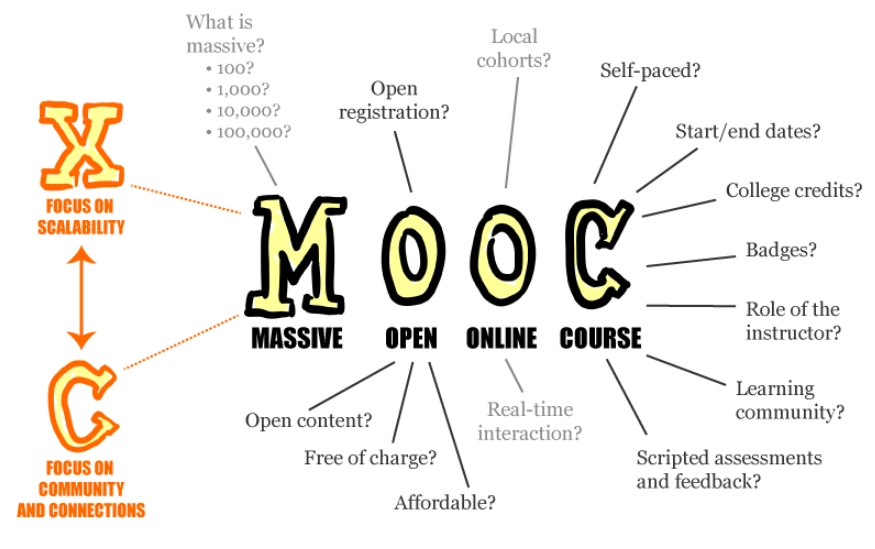
Your MOOC Questions, Answered
 What's the biggest difference between a Coursera Specialization and a Udacity Nanodegree?
The landscape of massive open online course examples is rich and constantly evolving. The opportunity has never been greater. The trick is to move from being a passive browser to an active, strategic learner. Pick a platform that matches your goal, choose one course that excites you, and commit to finishing it. The knowledge, the certificate, and the confidence from that first completion will make the next choice even easier.
Reader Comments